
柔和水彩风格花卉插画,画面左下角以密集的白色五瓣小花为主体,点… - 图片创意预览

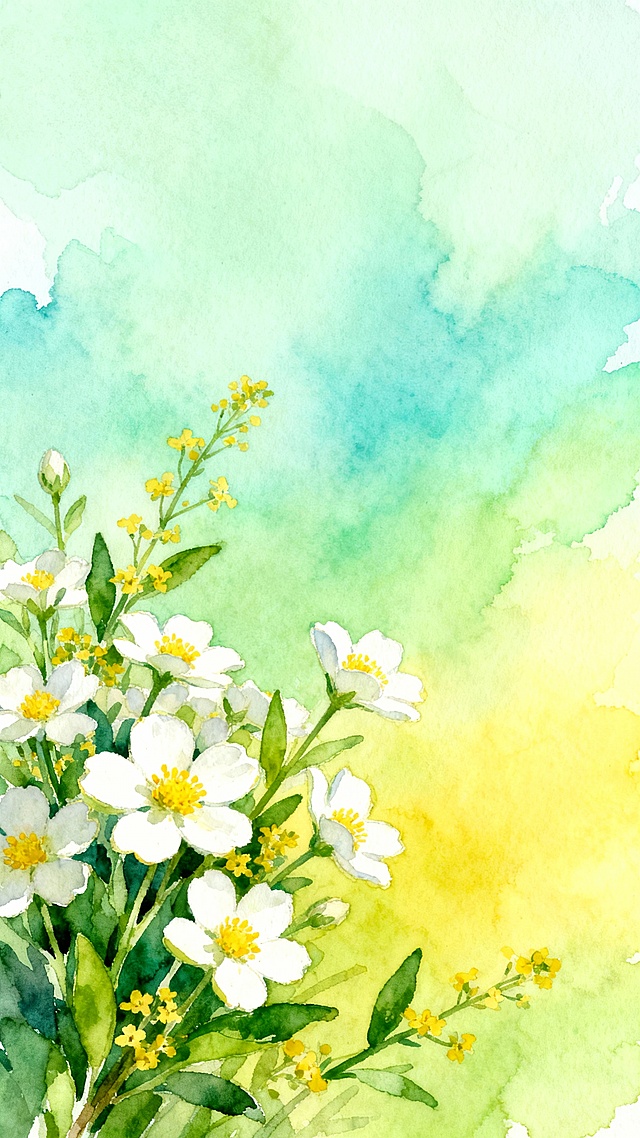
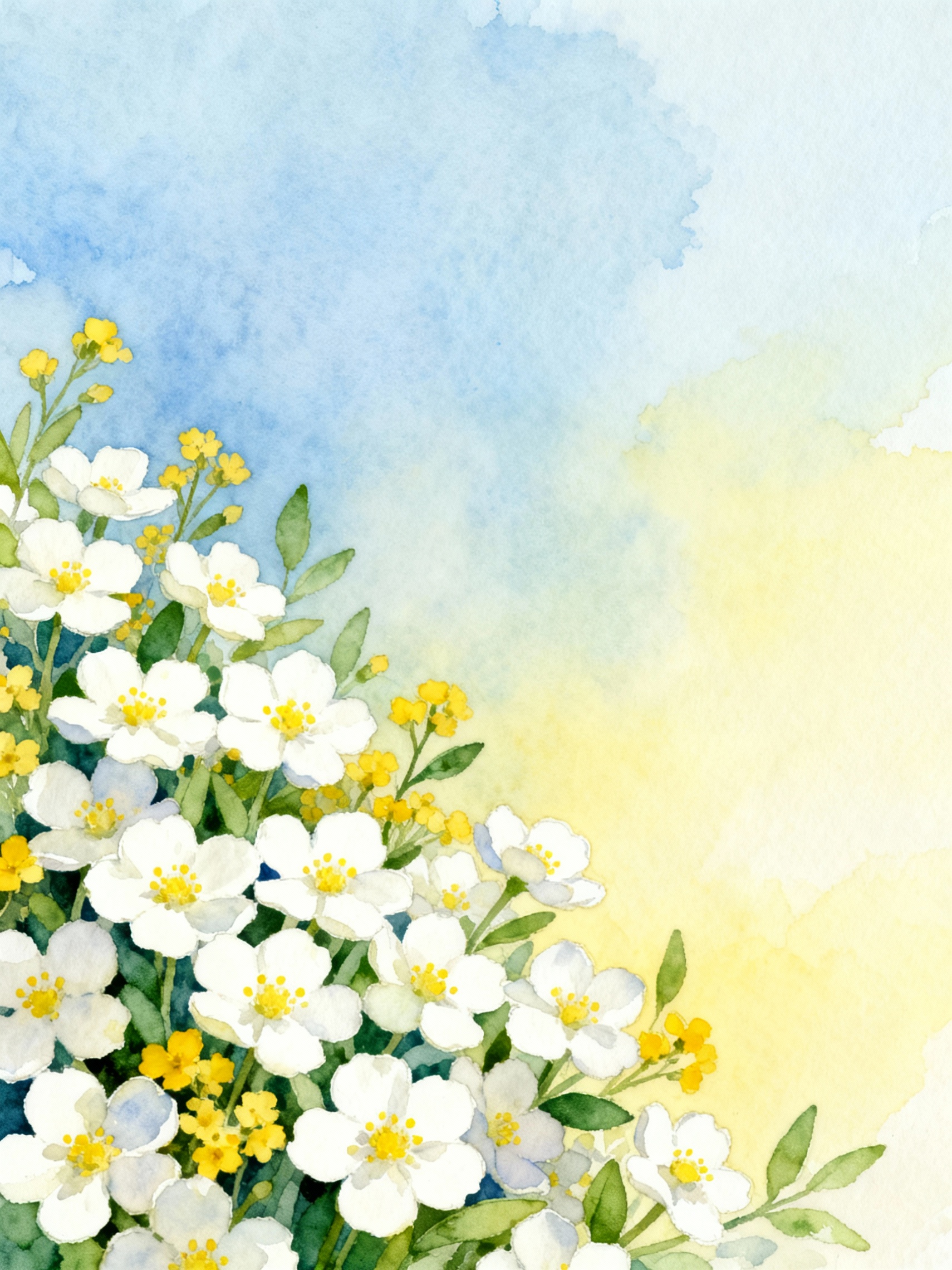
柔和水彩风格花卉插画,画面左下角以密集的白色五瓣小花为主体,点…

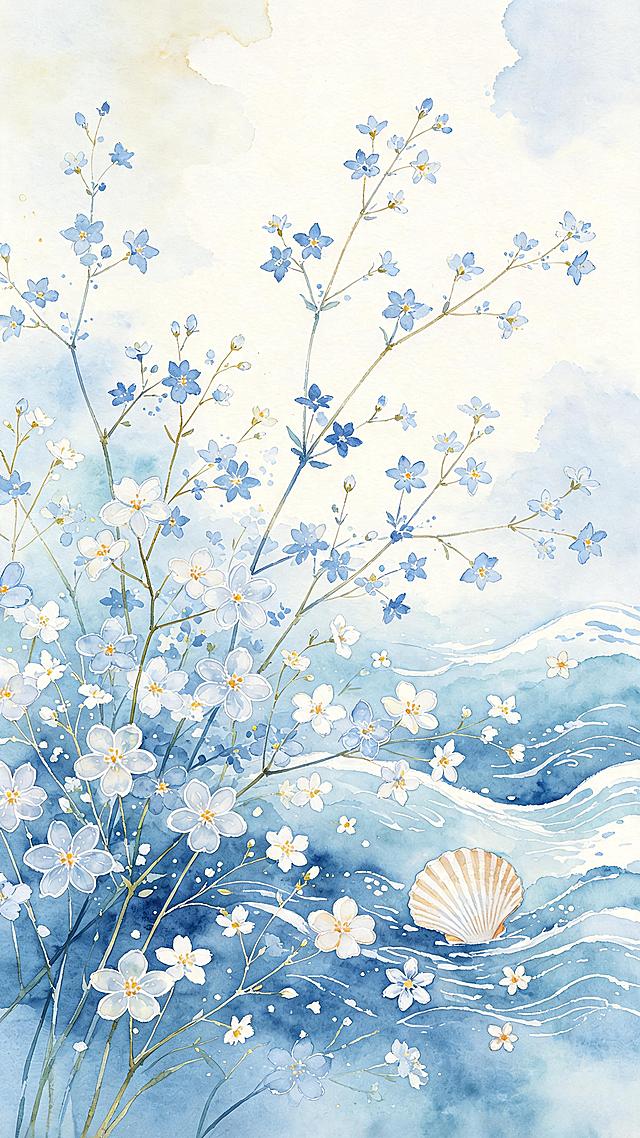
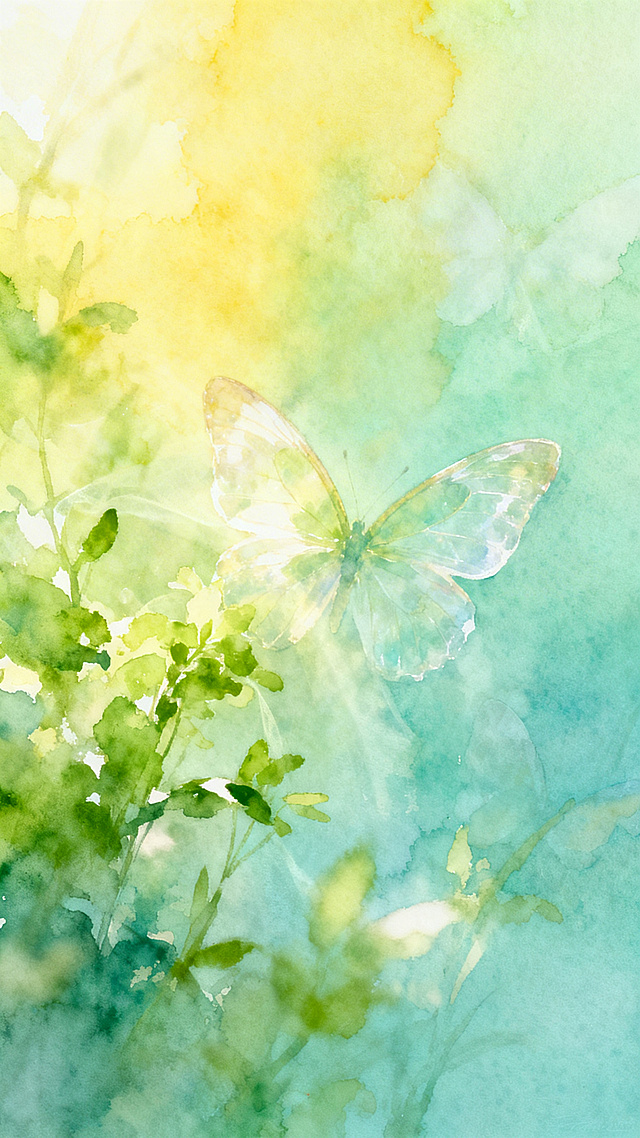
柔和水彩风格花卉插画,画面左下角以密集的白色五瓣小花为主体,点缀黄色小花和绿色叶片,花朵形态饱满,花瓣边缘柔和,花蕊呈黄色点状。背景采用淡蓝与淡黄色的渐变晕染,营造出清新自然、宁静柔和的氛围,整体构图偏向角落聚焦,留白充足,色彩明快和谐,笔触细腻且富有水分感。

用户头像

1qax0x96bih...

2025.11.27
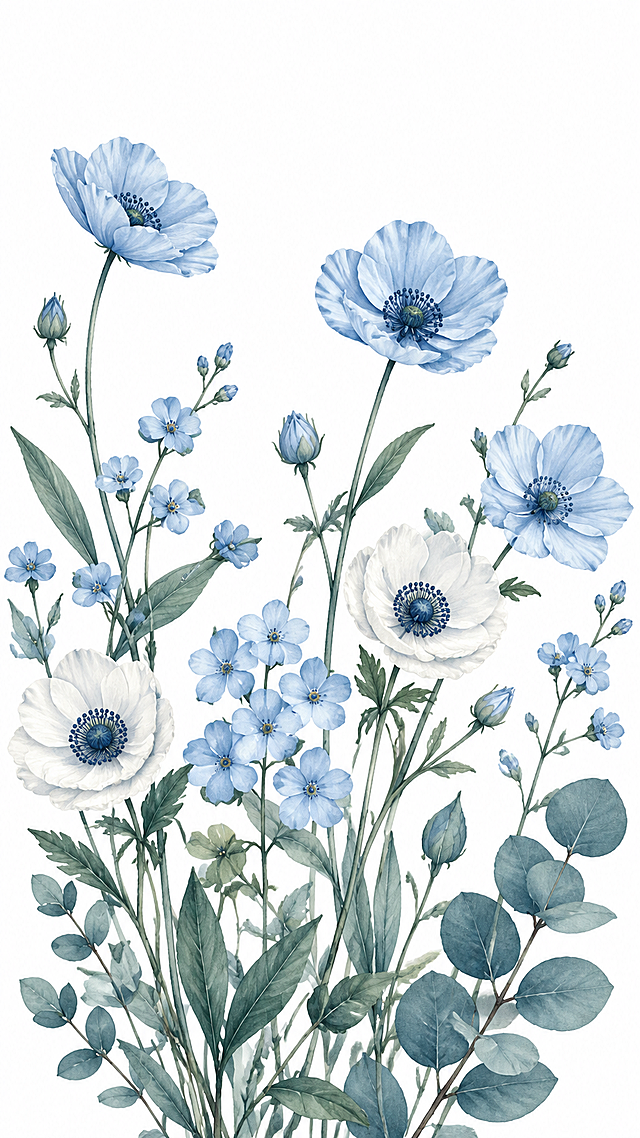
9:16 vertical standalone botanical watercolor illustration, a graceful blue-green wildflower arrangement growing upward from the entire bottom edge, isolated on a perfectly pure white background. Keep the upper 25-28% of the canvas completely empty and white. Arrange approximately 13-16 independent stems across the lower three-quarters of the composition. The stems cross and overlap naturally near the bottom, then spread into separate directions toward the middle and top. Create an airy asymmetrical rhythm with clear height differences and irregular open gaps. Place two isolated tall flowers near the upper left and upper center-right, several medium-height flowers on both sides, and richer foliage near the bottom. Avoid uniform spacing, a triangular bouquet silhouette or an orderly staircase. Use realistic, recognizable flower structures: three large pale-blue single cup-shaped flowers with five broad, gently overlapping petals, including one high side-facing blossom, one large three-quarter-view blossom near the upper center-right and one outward-facing blossom on the right; two large ivory-white single anemones with five or six softly crinkled petals and refined deep blue stamens, positioned at different heights on the lower left and middle right; one compact group of six to eight medium-sized pale-blue five-petal blossoms near the lower center, clearly separated rather than forming a dense dotted ball; two slender branches carrying a few small blue five-petal flowers, with visible individual petals and generous spacing; three to five realistic closed or half-open buds in different sizes and orientations. Vary every flower through size, openness, direction and viewing angle. Petals should retain believable botanical construction and must not look like repeated copies. Combine several clean foliage shapes: long lance-shaped leaves, narrow gently curved leaves, a small branch of oval leaves and one prominent eucalyptus-like branch with large rounded blue-green leaves on the lower right. Leaves vary naturally in size and direction, with complete smooth edges and restrained overlap. Do not add finely divided, feathery or radiating foliage. Stems are slender, continuous and muted dark teal-green. Most grow upward with a slight irregular lean; a few bend gently beneath the weight of the flowers. Keep the curves broad and subtle, without rigid parallel lines, exaggerated S-curves or decorative spirals. Use a low-saturation cool watercolor palette: powder blue, misty sky blue, dusty teal, pale aqua, celadon, gray sage, muted blue-green, soft ivory and small deep petrol-blue accents. The upper flowers are slightly brighter blue, while the lower foliage includes deeper teal and blue-gray tones. White flowers contain faint cool-blue shadows so their petals remain visible against the white background. Use tiny dark blue stamens as controlled focal details. Clean and refined botanical watercolor painting, translucent layered washes, smooth soft color gradients, delicate dry-brush texture on petal edges, no harsh outlines, soft natural lighting from upper left, subtle paper texture, museum-quality botanical illustration, ultra-detailed, 4K fine art quality9:16 vertical standalone botanical watercolor illustration, a graceful blue-green wildflower arrangement growing upward from the entire bottom edge, isolated on a perfectly pure white background. Keep the upper 25-28% of the canvas completely empty and white. Arrange approximately 13-16 independent stems across the lower three-quarters of the composition. The stems cross and overlap naturally near the bottom, then spread into separate directions toward the middle and top. Create an airy asymmetrical rhythm with clear height differences and irregular open gaps. Place two isolated tall flowers near the upper left and upper center-right, several medium-height flowers on both sides, and richer foliage near the bottom. Avoid uniform spacing, a triangular bouquet silhouette or an orderly staircase. Use realistic, recognizable flower structures: three large pale-blue single cup-shaped flowers with five broad, gently overlapping petals, including one high side-facing blossom, one large three-quarter-view blossom near the upper center-right and one outward-facing blossom on the right; two large ivory-white single anemones with five or six softly crinkled petals and refined deep blue stamens, positioned at different heights on the lower left and middle right; one compact group of six to eight medium-sized pale-blue five-petal blossoms near the lower center, clearly separated rather than forming a dense dotted ball; two slender branches carrying a few small blue five-petal flowers, with visible individual petals and generous spacing; three to five realistic closed or half-open buds in different sizes and orientations. Vary every flower through size, openness, direction and viewing angle. Petals should retain believable botanical construction and must not look like repeated copies. Combine several clean foliage shapes: long lance-shaped leaves, narrow gently curved leaves, a small branch of oval leaves and one prominent eucalyptus-like branch with large rounded blue-green leaves on the lower right. Leaves vary naturally in size and direction, with complete smooth edges and restrained overlap. Do not add finely divided, feathery or radiating foliage. Stems are slender, continuous and muted dark teal-green. Most grow upward with a slight irregular lean; a few bend gently beneath the weight of the flowers. Keep the curves broad and subtle, without rigid parallel lines, exaggerated S-curves or decorative spirals. Use a low-saturation cool watercolor palette: powder blue, misty sky blue, dusty teal, pale aqua, celadon, gray sage, muted blue-green, soft ivory and small deep petrol-blue accents. The upper flowers are slightly brighter blue, while the lower foliage includes deeper teal and blue-gray tones. White flowers contain faint cool-blue shadows so their petals remain visible against the white background. Use tiny dark blue stamens as controlled focal details. Clean and refined botanical watercolor painting, translucent layered washes, smooth soft color gradients, delicate dry-brush texture on petal edges, no harsh outlines, soft natural lighting from upper left, subtle paper texture, museum-quality botanical illustration, ultra-detailed, 4K fine art quality