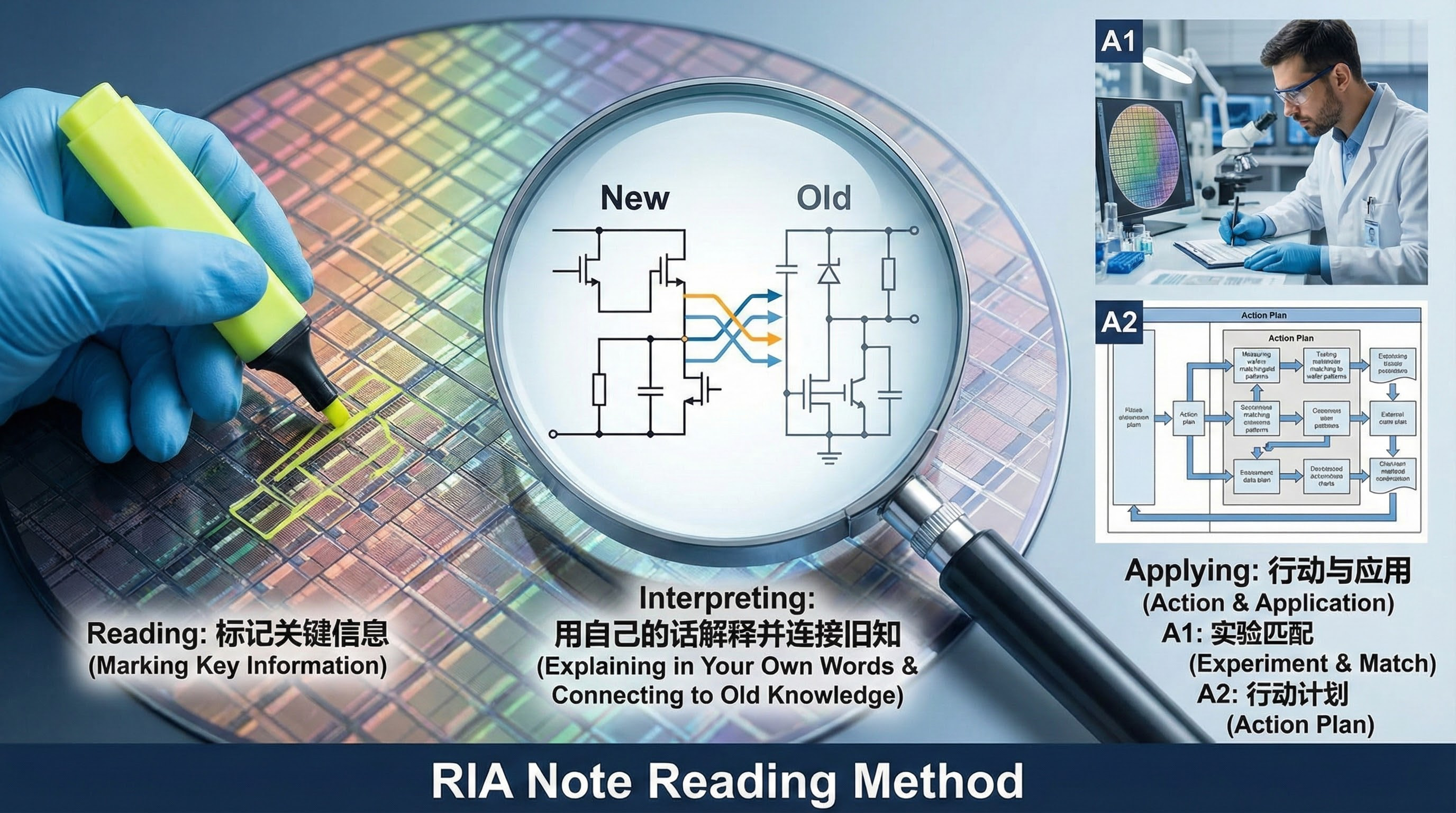

创意预览图

Please create a creative poster image by combining the above reading methods with attributes of the

用户头像

用户ff8OtdJ1

2025.12.22
学术信息海报第一页,标题为"学界动向——认知神经科学与人机共生 (Human-AI Symbiosis)",副标题"探讨从'工具使用'向'智能协作'的理论转型"。整体分为三个板块: 左侧栏:宏观趋势与政策核心方向:列出"神经人因学 (Neuroergonomics):利用脑机接口(BCI)和便携式脑成像技术监控工作负荷。可解释AI (XAI) 与信任建模:研究人类如何建立对算法决策的合理信任。道德与算法偏见:探讨人因干预在算法公平性中的学术地位。",下方是关键人物:"Raja Parasuraman:神经人因学奠基人,其理论持续影响当下的自动化研究。Ben Shneiderman:倡导'以人为本的AI(HCAI)',平衡人类控制与计算机自动化。",再下方是主要政策/刊物:"IEEE Transactions on Human-Machine Systems 前沿课题。欧盟《人工智能法案》(AI Act)对人机交互安全性的最新学术指引。" 中间板块:标题"前沿研究案例",国内研究案例:"清华/浙大 脑机交互实验室 突破点:异步非侵入式BCI在残障人士辅助系统中的应用,实现高精度的意图识别。解析:将认知模型转化为控制指令,突破传统肢体交互的物理极限。",国际研究案例:"斯坦福 Human-Centered AI (HAI) 中心 研究点:'情境感知的协作机器人(Cobots)'。解析:机器人通过眼动追踪和生理电信号判断工人的疲劳状态,动态调整协作步调。" 右侧板块:标题"学术演进对比与技术矩阵",列出技术应用对比表: 维度 | 传统人因工程 | 前沿人因工程 (HFE 4.0) 交互媒介 | 物理按键/屏幕 | 脑机/语音/手势/眼动 评估手段 | 问卷/主观量表 | 实时神经反馈/生理参数 人机关系 | 操作者与工具 | 协作伙伴与共生体 保持参考图的学术信息排版风格,米黄色背景,搭配浅蓝色和浅黄色信息块,清晰图文排版,学术简洁风格,信息完整清晰。学术信息海报第一页,标题为"学界动向——认知神经科学与人机共生 (Human-AI Symbiosis)",副标题"探讨从'工具使用'向'智能协作'的理论转型"。整体分为三个板块:
左侧栏:宏观趋势与政策核心方向:列出"神经人因学 (Neuroergonomics):利用脑机接口(BCI)和便携式脑成像技术监控工作负荷。可解释AI (XAI) 与信任建模:研究人类如何建立对算法决策的合理信任。道德与算法偏见:探讨人因干预在算法公平性中的学术地位。",下方是关键人物:"Raja Parasuraman:神经人因学奠基人,其理论持续影响当下的自动化研究。Ben Shneiderman:倡导'以人为本的AI(HCAI)',平衡人类控制与计算机自动化。",再下方是主要政策/刊物:"IEEE Transactions on Human-Machine Systems 前沿课题。欧盟《人工智能法案》(AI Act)对人机交互安全性的最新学术指引。"
中间板块:标题"前沿研究案例",国内研究案例:"清华/浙大 脑机交互实验室 突破点:异步非侵入式BCI在残障人士辅助系统中的应用,实现高精度的意图识别。解析:将认知模型转化为控制指令,突破传统肢体交互的物理极限。",国际研究案例:"斯坦福 Human-Centered AI (HAI) 中心 研究点:'情境感知的协作机器人(Cobots)'。解析:机器人通过眼动追踪和生理电信号判断工人的疲劳状态,动态调整协作步调。"
右侧板块:标题"学术演进对比与技术矩阵",列出技术应用对比表:
维度 | 传统人因工程 | 前沿人因工程 (HFE 4.0)
交互媒介 | 物理按键/屏幕 | 脑机/语音/手势/眼动
评估手段 | 问卷/主观量表 | 实时神经反馈/生理参数
人机关系 | 操作者与工具 | 协作伙伴与共生体
保持参考图的学术信息排版风格,米黄色背景,搭配浅蓝色和浅黄色信息块,清晰图文排版,学术简洁风格,信息完整清晰。
参考此海报的版式结构、蓝白科技配色和文字风格,在Simulation Results Comparison板块上方新增一个板块,标题为"Simulation Verification Results",完整添加以下内容: Simulation Verification and Comparative Analysis Experimental Conditions: • Motor speed: 3000 r/min • d-axis reference current: i_d^* = -50 A (constant) • q-axis reference current: i_q^* steps from 20A to 87A at t=0.02s • Comparison target: conventional exponential reaching law SFTSMC vs. the proposed STA+STSMC Main Conclusions: • The proposed scheme reduces the control voltage chattering amplitude to less than 1/3 of the conventional scheme at rated speed • Effectively solves the problems of low steady-state accuracy and large current fluctuation caused by large chattering in traditional sliding mode current control • Ensures that the motor current state can track the reference signal in finite time 将提供的两张对比图并排放在该板块中,左侧为图(a) STSSMC,右侧为图(b) STA+STSSMC,保留原有图片中的标注和曲线,保持图片清晰。保留原海报所有已有内容不变,保持所有内容均为英文,保持整体版式协调,字号与其他正文区域一致(13-17pt),保持原蓝白渐变科技风,图标风格一致,所有公式清晰准确渲染。画面中所有二维码区域使用纯色方块占位符呈现,方块中央标注"QR Code Placeholder"文字,严禁生成任何可识别的二维码图案,所有文字必须精确渲染参考此海报的版式结构、蓝白科技配色和文字风格,在Simulation Results Comparison板块上方新增一个板块,标题为"Simulation Verification Results",完整添加以下内容:

Simulation Verification and Comparative Analysis

Experimental Conditions:
  • Motor speed: 3000 r/min
  • d-axis reference current: i_d^* = -50 A (constant)
  • q-axis reference current: i_q^* steps from 20A to 87A at t=0.02s
  • Comparison target: conventional exponential reaching law SFTSMC vs. the proposed STA+STSMC

Main Conclusions:
  • The proposed scheme reduces the control voltage chattering amplitude to less than 1/3 of the conventional scheme at rated speed
  • Effectively solves the problems of low steady-state accuracy and large current fluctuation caused by large chattering in traditional sliding mode current control
  • Ensures that the motor current state can track the reference signal in finite time

将提供的两张对比图并排放在该板块中,左侧为图(a) STSSMC,右侧为图(b) STA+STSSMC,保留原有图片中的标注和曲线,保持图片清晰。保留原海报所有已有内容不变,保持所有内容均为英文,保持整体版式协调,字号与其他正文区域一致(13-17pt),保持原蓝白渐变科技风,图标风格一致,所有公式清晰准确渲染。画面中所有二维码区域使用纯色方块占位符呈现,方块中央标注"QR Code Placeholder"文字,严禁生成任何可识别的二维码图案,所有文字必须精确渲染
参考此海报的版式结构、蓝白科技配色和文字风格,在Simulation Results Comparison板块上方新增一个板块,标题为"Simulation Verification Results",完整添加以下内容: Simulation Verification and Comparative Analysis Experimental Conditions: • Motor speed: 3000 r/min • d-axis reference current: i_d^* = -50 A (constant) • q-axis reference current: i_q^* steps from 20A to 87A at t=0.02s • Comparison target: conventional exponential reaching law SFTSMC vs. the proposed STA+STSMC Main Conclusions: • The proposed scheme reduces the control voltage chattering amplitude to less than 1/3 of the conventional scheme at rated speed • Effectively solves the problems of low steady-state accuracy and large current fluctuation caused by large chattering in traditional sliding mode current control • Ensures that the motor current state can track the reference signal in finite time 将提供的两张对比图并排放在该板块中,左侧为图(a) STSSMC,右侧为图(b) STA+STSSMC,保留原有图片中的标注和曲线,保持图片清晰。保留原海报所有已有内容不变,保持所有内容均为英文,保持整体版式协调,字号与其他正文区域一致(13-17pt),保持原蓝白渐变科技风,图标风格一致,所有公式清晰准确渲染。画面中所有二维码区域使用纯色方块占位符呈现,方块中央标注"QR Code Placeholder"文字,严禁生成任何可识别的二维码图案,所有文字必须精确渲染参考此海报的版式结构、蓝白科技配色和文字风格,在Simulation Results Comparison板块上方新增一个板块,标题为"Simulation Verification Results",完整添加以下内容:

Simulation Verification and Comparative Analysis

Experimental Conditions:
  • Motor speed: 3000 r/min
  • d-axis reference current: i_d^* = -50 A (constant)
  • q-axis reference current: i_q^* steps from 20A to 87A at t=0.02s
  • Comparison target: conventional exponential reaching law SFTSMC vs. the proposed STA+STSMC

Main Conclusions:
  • The proposed scheme reduces the control voltage chattering amplitude to less than 1/3 of the conventional scheme at rated speed
  • Effectively solves the problems of low steady-state accuracy and large current fluctuation caused by large chattering in traditional sliding mode current control
  • Ensures that the motor current state can track the reference signal in finite time

将提供的两张对比图并排放在该板块中,左侧为图(a) STSSMC,右侧为图(b) STA+STSSMC,保留原有图片中的标注和曲线,保持图片清晰。保留原海报所有已有内容不变,保持所有内容均为英文,保持整体版式协调,字号与其他正文区域一致(13-17pt),保持原蓝白渐变科技风,图标风格一致,所有公式清晰准确渲染。画面中所有二维码区域使用纯色方块占位符呈现,方块中央标注"QR Code Placeholder"文字,严禁生成任何可识别的二维码图案,所有文字必须精确渲染