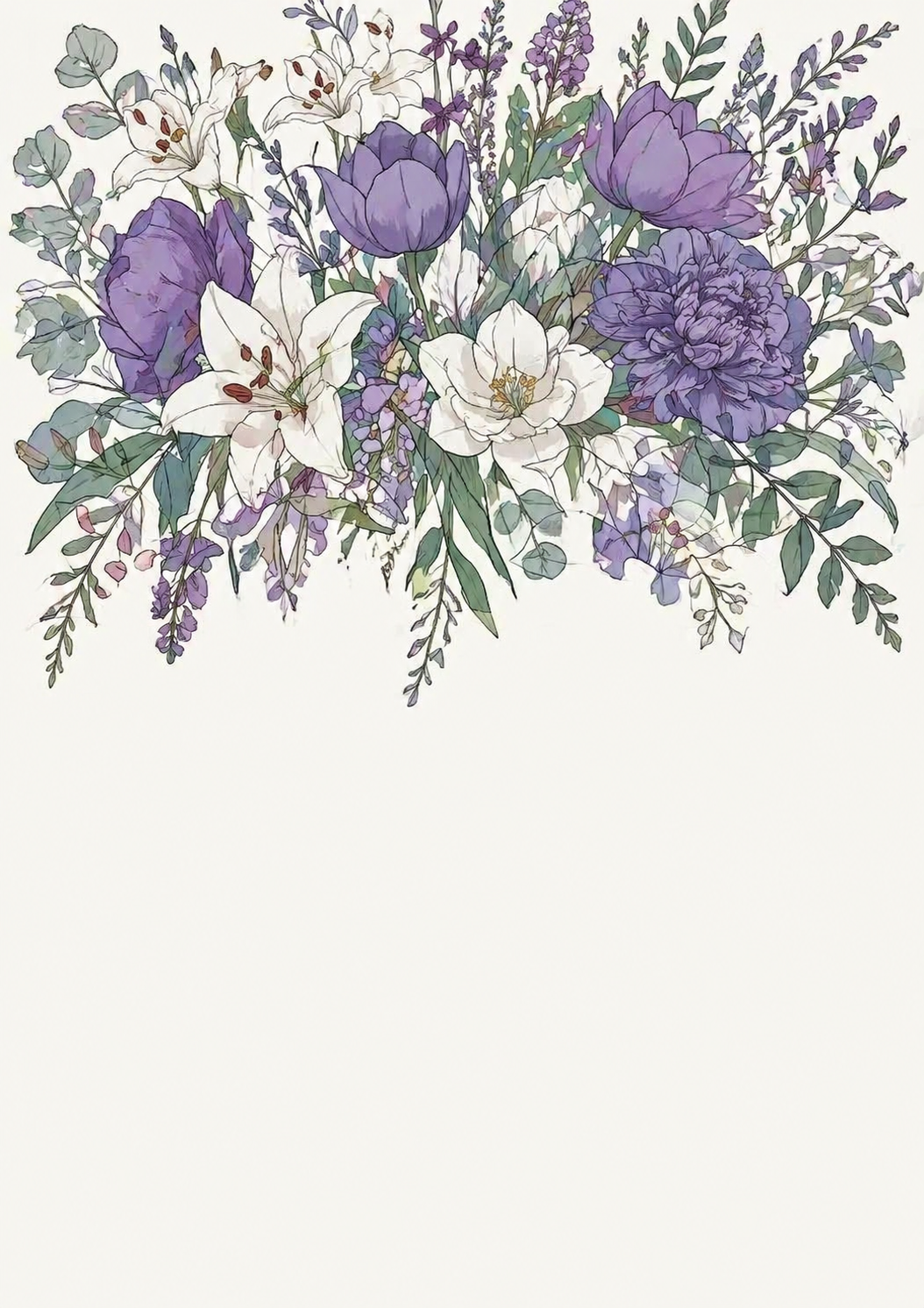
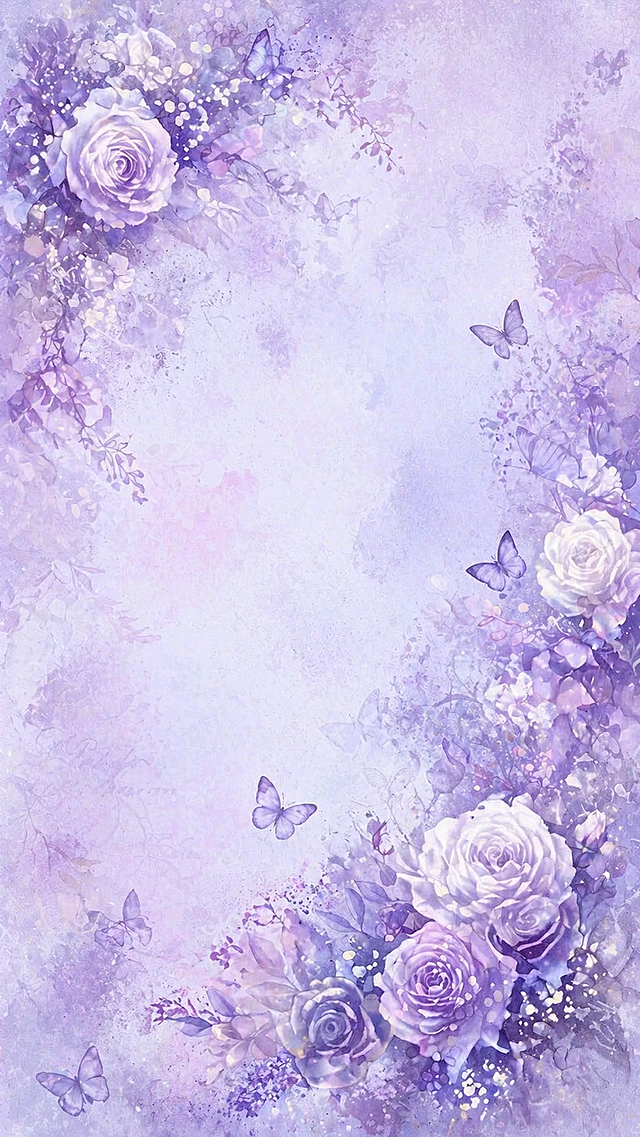
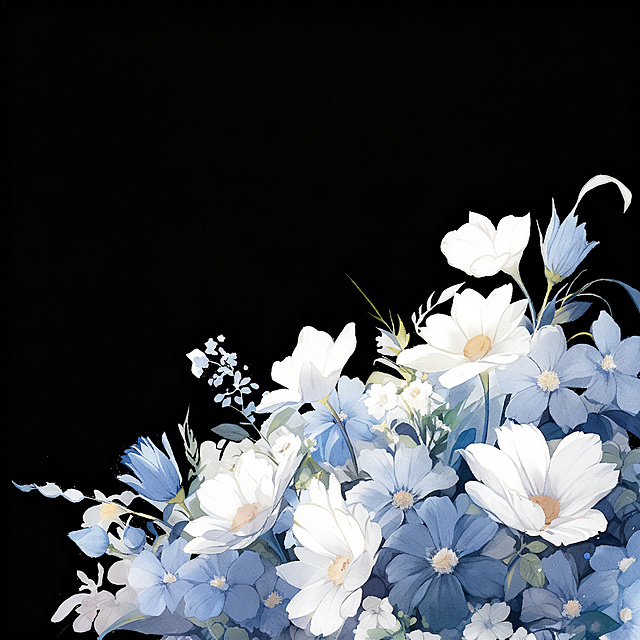
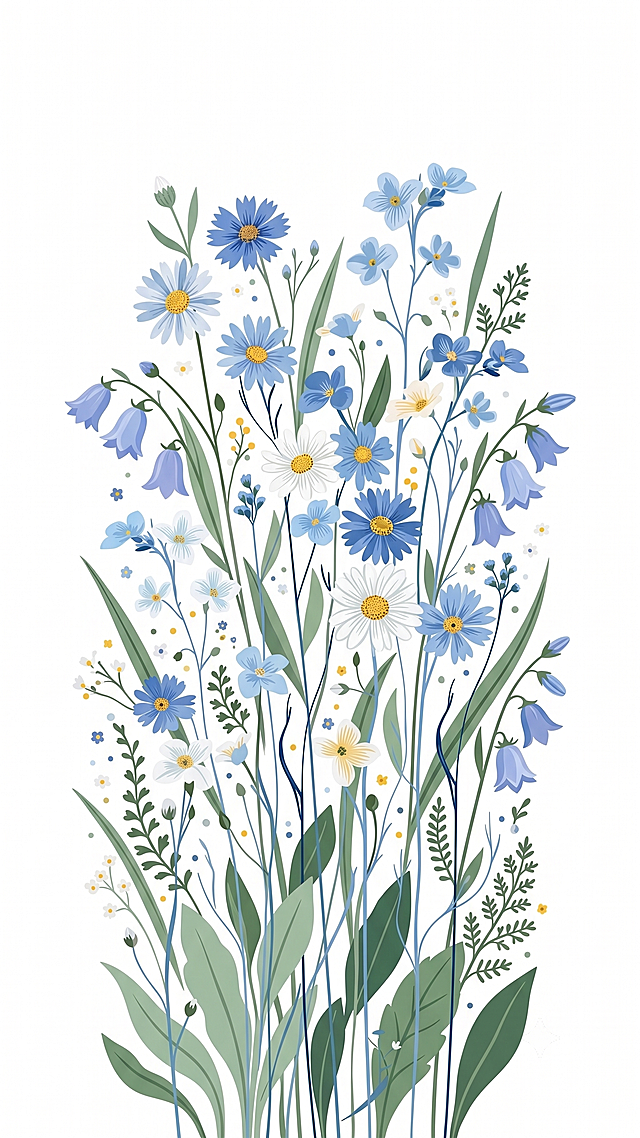
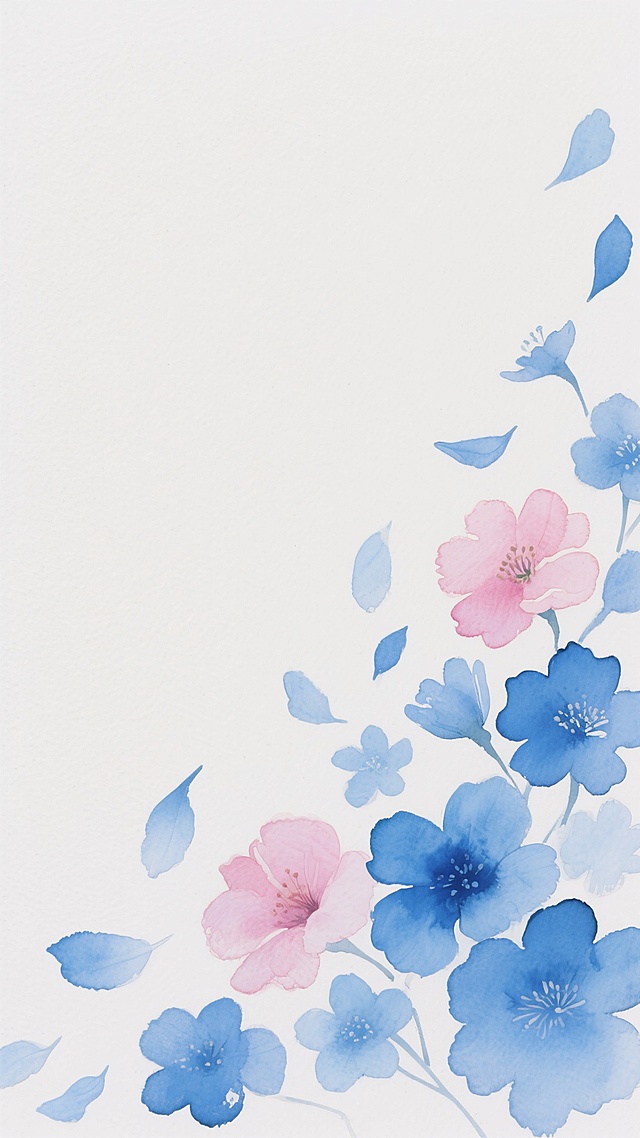
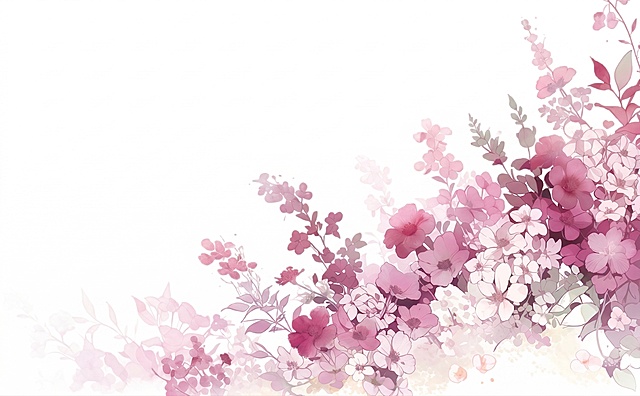
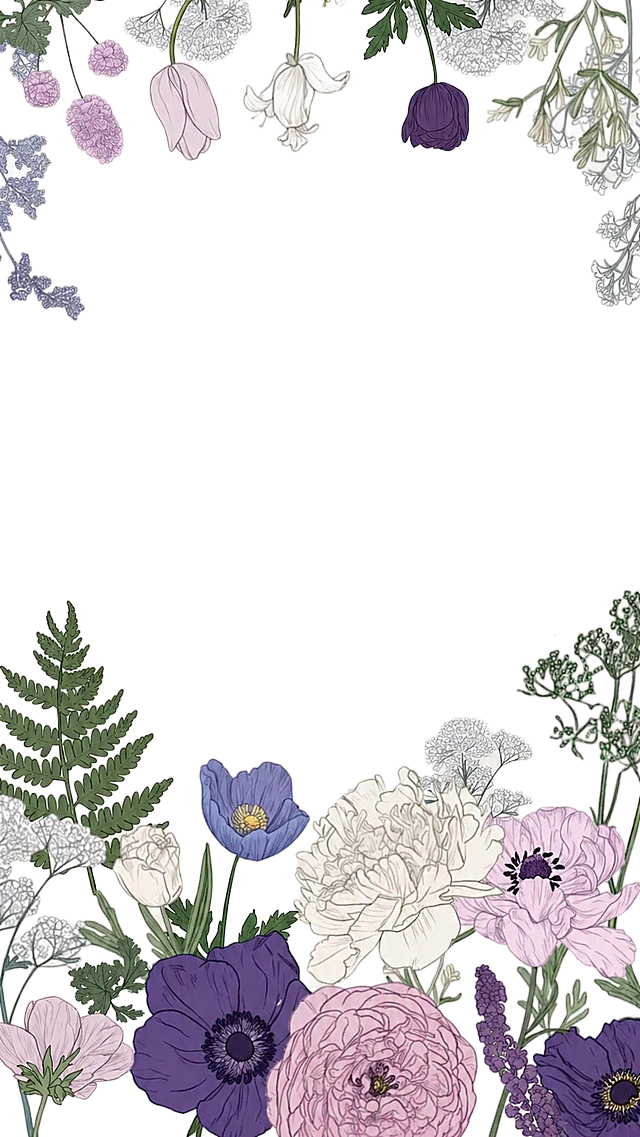
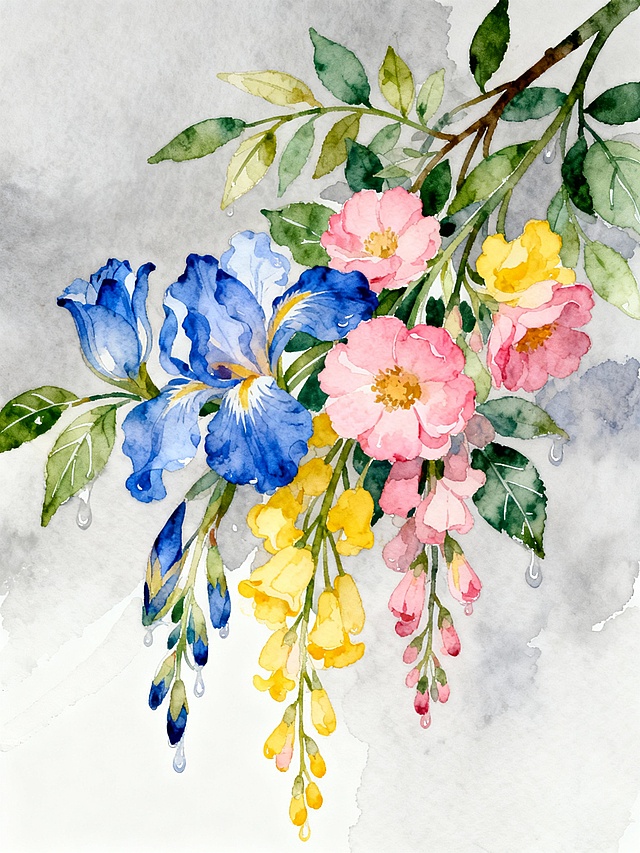
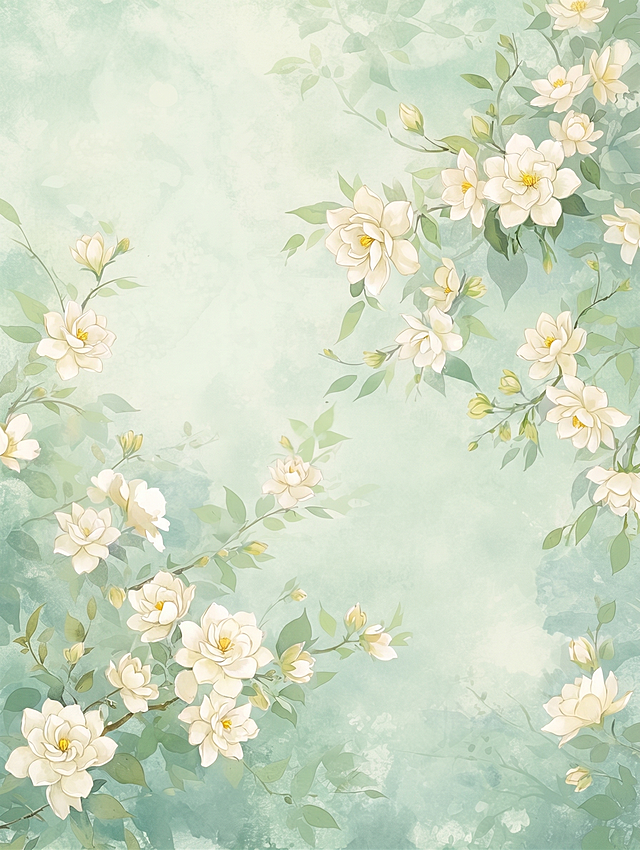
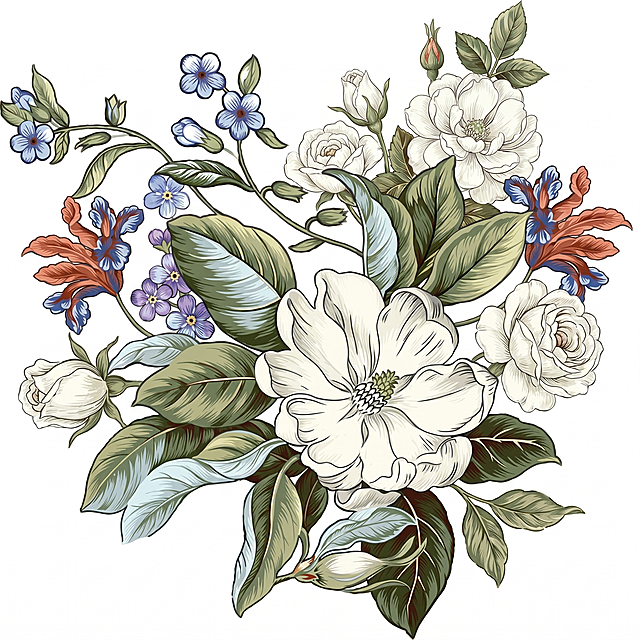
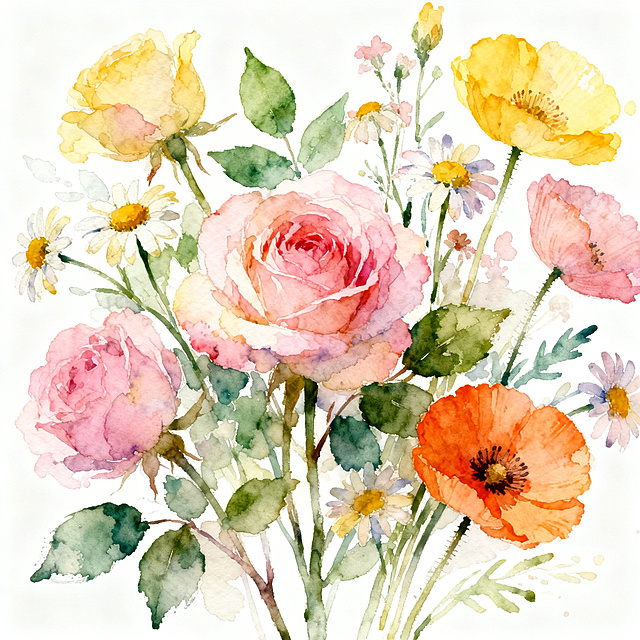
参考图1的线稿插画风格,结合图2的版型,生成一幅上半部分为花草… - 图片创意预览

参考图1的线稿插画风格,结合图2的版型,生成一幅上半部分为花草…

参考图1的线稿插画风格,结合图2的版型,生成一幅上半部分为花草、下半部分留白的花草图,保留紫色、白色和绿色的配色,保留精致线条插画风格

用户头像

用户em0KPdwt

2026.04.26
9:16 vertical standalone watercolor botanical illustration, an elegant natural wildflower meadow growing upward from the entire bottom edge, isolated on a clean pure white background. Keep the upper 30% of the canvas completely empty and white. Arrange approximately 18–22 independent slender stems irregularly across the full width. The lower section is rich and layered, the middle section is airy, and the plants gradually become sparse toward the top. The tallest stems reach approximately 70% of the canvas height. No tied bouquet, no central cluster, no flowerpot and no visible ground line. Use only botanically recognizable real flowers: pale blush Shirley poppies (Papaver rhoeas), with four thin papery petals, open golden stamens and realistic nodding buds; soft pink cosmos (Cosmos bipinnatus), with 8 broad evenly spaced petals and small dark burgundy-and-gold centers; muted dusty-rose purple coneflowers (Echinacea purpurea), with narrow naturally drooping petals and raised brown cone-shaped centers; restrained mauve and dusty-coral zinnias (Zinnia elegans), with clearly structured concentric petals, visible centers and no excessive petal stacking; slender English lavender spikes (Lavandula angustifolia), with small realistic purple florets arranged along upright stems; airy purple lace flower umbels (Daucus carota 'Dara'), with fine branching stems and small burgundy-mauve florets; a few delicate pink waxflower sprigs (Chamelaucium uncinatum); sparse blue-gray eucalyptus branches with naturally paired rounded leaves. Every flower must match its real botanical prototype. Preserve the correct petal count, flower-center structure, bud shape, leaf type, stem proportions and natural growth direction of each species. Do not combine the flower head of one species with the leaves or buds of another. Flowers should have believable front-facing, three-quarter and gentle side-facing angles, with no distorted or invented forms. Maintain one cohesive low-saturation palette throughout the artwork: shell pink, dusty blush, antique rose, muted coral, soft mauve, smoky lavender and restrained plum accents, balanced with blue-gray eucalyptus, sage green and desaturated gray-green foliage. Avoid isolated bright colors. Use warm muted yellow only in a few small flower centers. All colors should feel softened by the same cool gray undertone and belong to one coordinated collection. Delicate transparent watercolor painting, thin layered washes, soft natural pigment transitions, subtle paperless watercolor texture, clean defined botanical silhouettes, continuous slender stems, refined leaf edges and restrained detail. Elegant contemporary European botanical illustration, fresh and commercially appealing, feminine but not old-fashioned, suitable for a premium phone-case surface design. High resolution, clean separation from the white background, easy to extract.9:16 vertical standalone watercolor botanical illustration, an elegant natural wildflower meadow growing upward from the entire bottom edge, isolated on a clean pure white background. Keep the upper 30% of the canvas completely empty and white. Arrange approximately 18–22 independent slender stems irregularly across the full width. The lower section is rich and layered, the middle section is airy, and the plants gradually become sparse toward the top. The tallest stems reach approximately 70% of the canvas height. No tied bouquet, no central cluster, no flowerpot and no visible ground line. Use only botanically recognizable real flowers: pale blush Shirley poppies (Papaver rhoeas), with four thin papery petals, open golden stamens and realistic nodding buds; soft pink cosmos (Cosmos bipinnatus), with 8 broad evenly spaced petals and small dark burgundy-and-gold centers; muted dusty-rose purple coneflowers (Echinacea purpurea), with narrow naturally drooping petals and raised brown cone-shaped centers; restrained mauve and dusty-coral zinnias (Zinnia elegans), with clearly structured concentric petals, visible centers and no excessive petal stacking; slender English lavender spikes (Lavandula angustifolia), with small realistic purple florets arranged along upright stems; airy purple lace flower umbels (Daucus carota 'Dara'), with fine branching stems and small burgundy-mauve florets; a few delicate pink waxflower sprigs (Chamelaucium uncinatum); sparse blue-gray eucalyptus branches with naturally paired rounded leaves. Every flower must match its real botanical prototype. Preserve the correct petal count, flower-center structure, bud shape, leaf type, stem proportions and natural growth direction of each species. Do not combine the flower head of one species with the leaves or buds of another. Flowers should have believable front-facing, three-quarter and gentle side-facing angles, with no distorted or invented forms. Maintain one cohesive low-saturation palette throughout the artwork: shell pink, dusty blush, antique rose, muted coral, soft mauve, smoky lavender and restrained plum accents, balanced with blue-gray eucalyptus, sage green and desaturated gray-green foliage. Avoid isolated bright colors. Use warm muted yellow only in a few small flower centers. All colors should feel softened by the same cool gray undertone and belong to one coordinated collection. Delicate transparent watercolor painting, thin layered washes, soft natural pigment transitions, subtle paperless watercolor texture, clean defined botanical silhouettes, continuous slender stems, refined leaf edges and restrained detail. Elegant contemporary European botanical illustration, fresh and commercially appealing, feminine but not old-fashioned, suitable for a premium phone-case surface design. High resolution, clean separation from the white background, easy to extract.