已添加
登录/注册
参考原图风格,生成以透明玻璃质感花卉为主体的画面,保留冰蓝通透…
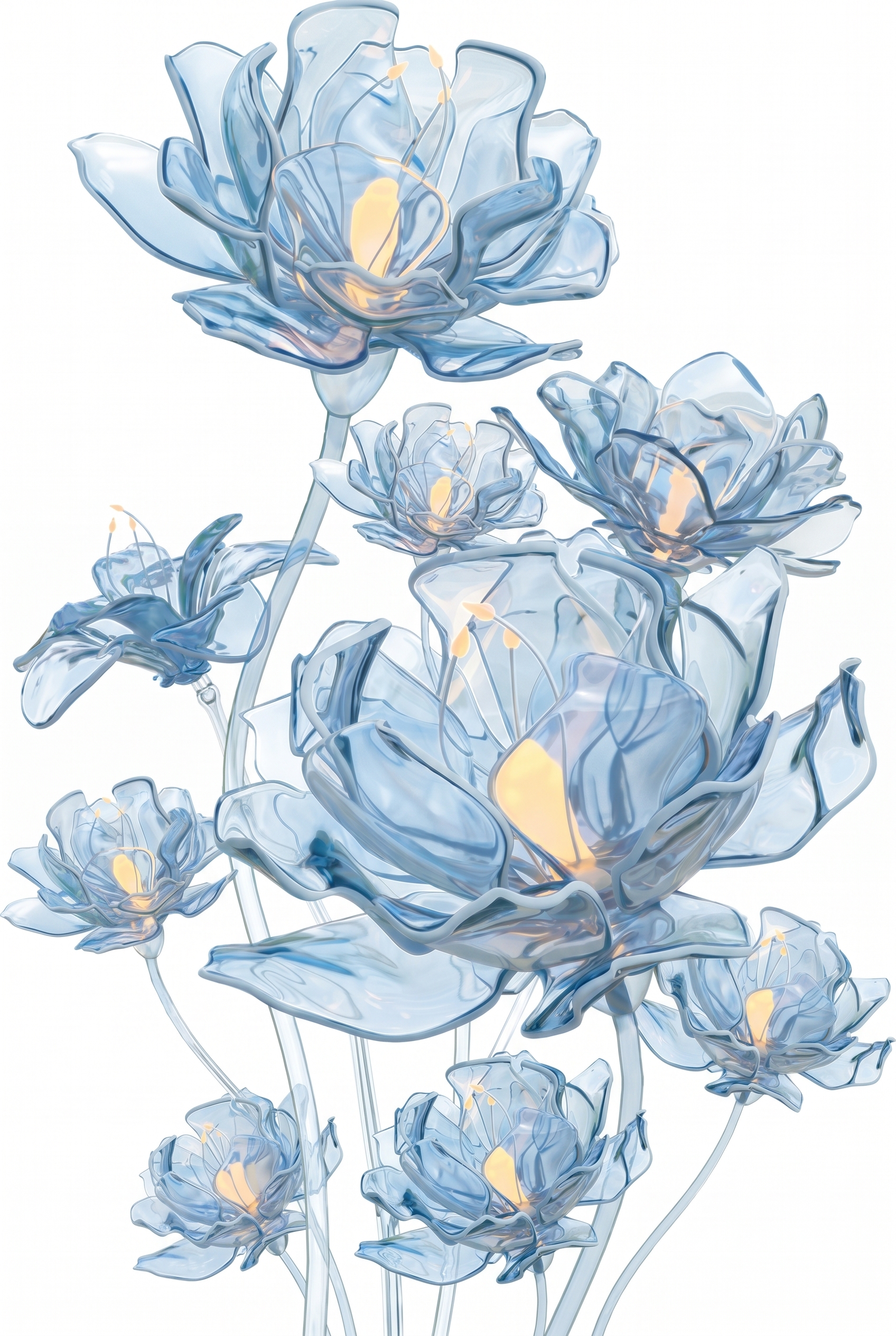
参考原图风格,生成以透明玻璃质感花卉为主体的画面,保留冰蓝通透材质和暖黄色花蕊细节,重新创作构图和花朵层次,背景纯白色,保存为PNG透明背景格式
非一索思
2026.04.29
做同款
参考图片1的冰蓝色玻璃透明花朵样式和镭射渐变质感,为图片2的花艺重新生成,保持图片2原有的花艺构图,替换为图片1的质感和风格
安妮叔叔
花瓣更多
陈旭陈禹含🥕
清理图片上的半透明文字标识和灰色交叉线,完整保留蓝白色水彩花卉内容,画质清晰,和原图风格完全一致
好柿❀
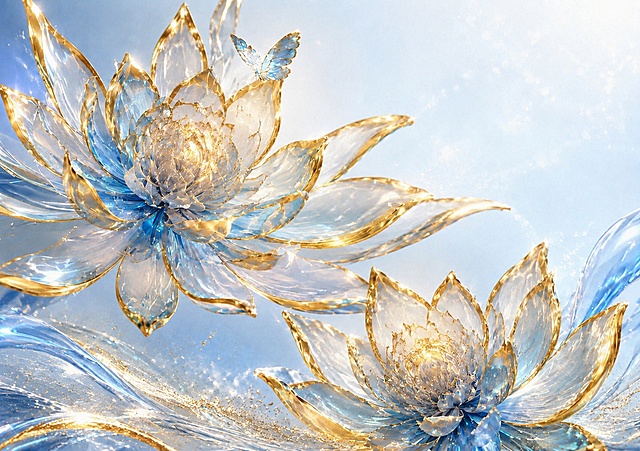
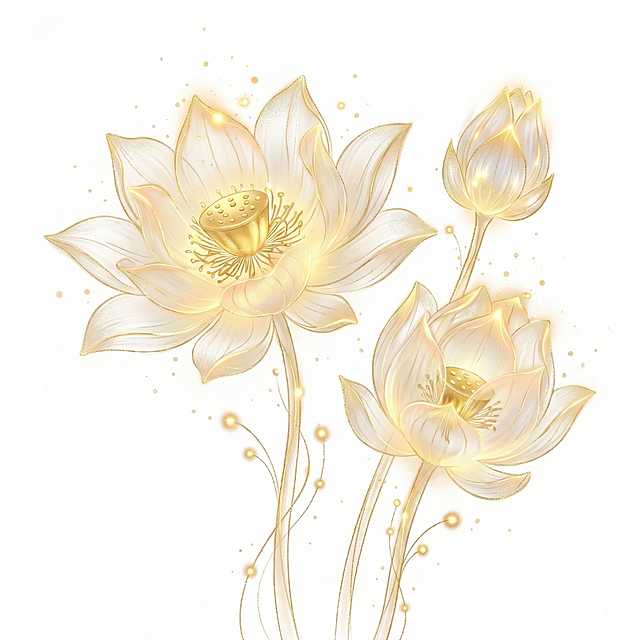
参考原图流光金线发光风格,生成两朵不同开放形态的荷花,保留透明描金发光质感
LGw9KkIo
去掉图里的吹风机产品以及所有文字,只保留原图中的大花朵背景,保持原有的浅灰色调、花朵的透明质感和金线细节风格不变
GD158594838
参考原图片的边框装饰风格和排版布局,将中心元素改为百合花,整体使用复古水彩风格绘制,保留灰色复古雕花边框和文字排版结构
1r4skr0r27WDQVag-HB
「图片1」参考图片元素,生成其他样式的素材
安妮叔叔
只要荷花
用户syEUgqO9
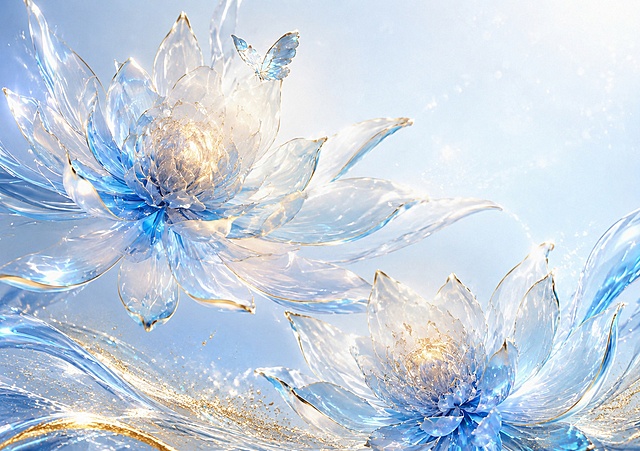
加宽所有花瓣的金边比例,让金色描边占据花瓣更多面积,保留原有的冰蓝透明质感莲花和蓝色蝴蝶设计,整体风格保持精致高端,保留已添加的底部金色粉末效果
依美悠
「图片1」参考图片元素,生成其他样式的素材
安妮叔叔
参考原图流光金线发光风格,生成三朵不同开放形态的荷花,其中一朵是未开放的花苞,还有一朵花瓣多一些,保留透明描金发光质感
LGw9KkIo
去掉图片上方的所有文字,保持原图的蓝色花朵和金色线条风格,横向拓展图片内容
y8L7B_传奇广告
在图片的下部区域增加金边和金色粉末效果,保留原有冰蓝透明莲花、蓝色蝴蝶和浅蓝渐变背景的整体设计,保持原有风格不变
依美悠
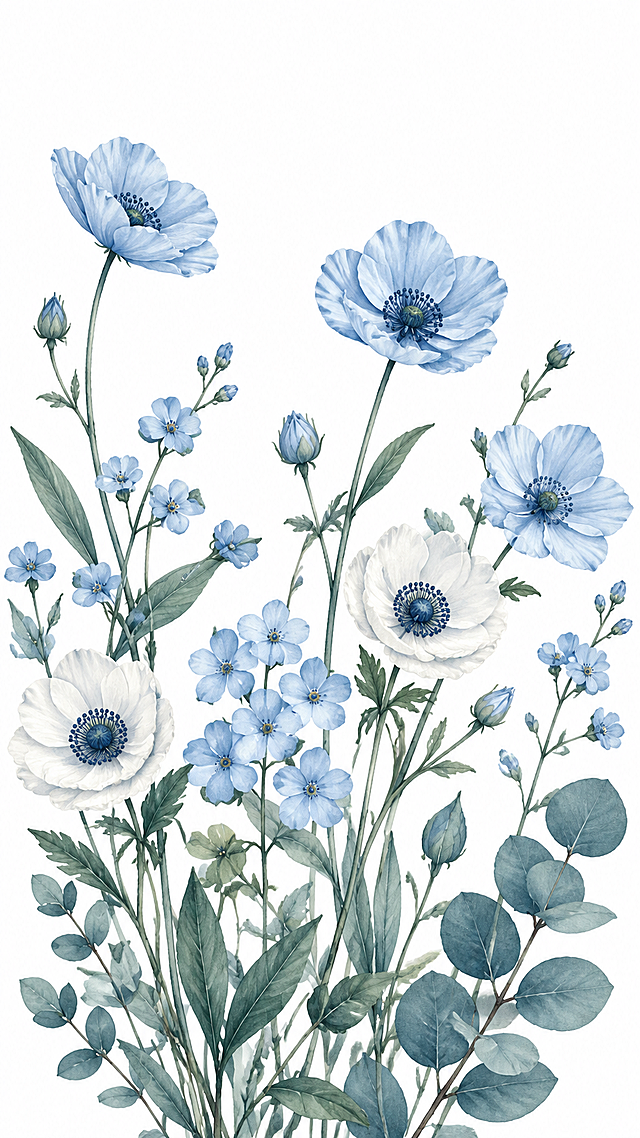
9:16 vertical standalone botanical watercolor illustration, a graceful blue-green wildflower arrangement growing upward from the entire bottom edge, isolated on a perfectly pure white background. Keep the upper 25-28% of the canvas completely empty and white. Arrange approximately 13-16 independent stems across the lower three-quarters of the composition. The stems cross and overlap naturally near the bottom, then spread into separate directions toward the middle and top. Create an airy asymmetrical rhythm with clear height differences and irregular open gaps. Place two isolated tall flowers near the upper left and upper center-right, several medium-height flowers on both sides, and richer foliage near the bottom. Avoid uniform spacing, a triangular bouquet silhouette or an orderly staircase. Use realistic, recognizable flower structures: three large pale-blue single cup-shaped flowers with five broad, gently overlapping petals, including one high side-facing blossom, one large three-quarter-view blossom near the upper center-right and one outward-facing blossom on the right; two large ivory-white single anemones with five or six softly crinkled petals and refined deep blue stamens, positioned at different heights on the lower left and middle right; one compact group of six to eight medium-sized pale-blue five-petal blossoms near the lower center, clearly separated rather than forming a dense dotted ball; two slender branches carrying a few small blue five-petal flowers, with visible individual petals and generous spacing; three to five realistic closed or half-open buds in different sizes and orientations. Vary every flower through size, openness, direction and viewing angle. Petals should retain believable botanical construction and must not look like repeated copies. Combine several clean foliage shapes: long lance-shaped leaves, narrow gently curved leaves, a small branch of oval leaves and one prominent eucalyptus-like branch with large rounded blue-green leaves on the lower right. Leaves vary naturally in size and direction, with complete smooth edges and restrained overlap. Do not add finely divided, feathery or radiating foliage. Stems are slender, continuous and muted dark teal-green. Most grow upward with a slight irregular lean; a few bend gently beneath the weight of the flowers. Keep the curves broad and subtle, without rigid parallel lines, exaggerated S-curves or decorative spirals. Use a low-saturation cool watercolor palette: powder blue, misty sky blue, dusty teal, pale aqua, celadon, gray sage, muted blue-green, soft ivory and small deep petrol-blue accents. The upper flowers are slightly brighter blue, while the lower foliage includes deeper teal and blue-gray tones. White flowers contain faint cool-blue shadows so their petals remain visible against the white background. Use tiny dark blue stamens as controlled focal details. Clean and refined botanical watercolor painting, translucent layered washes, smooth soft color gradients, delicate dry-brush texture on petal edges, no harsh outlines, soft natural lighting from upper left, subtle paper texture, museum-quality botanical illustration, ultra-detailed, 4K fine art quality
sterious
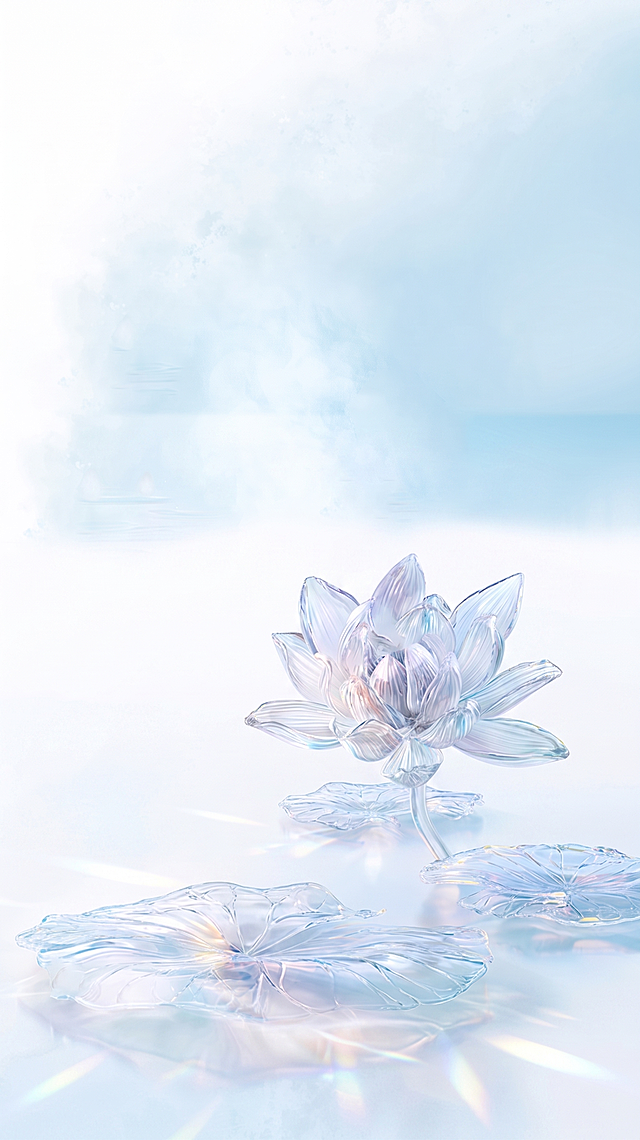
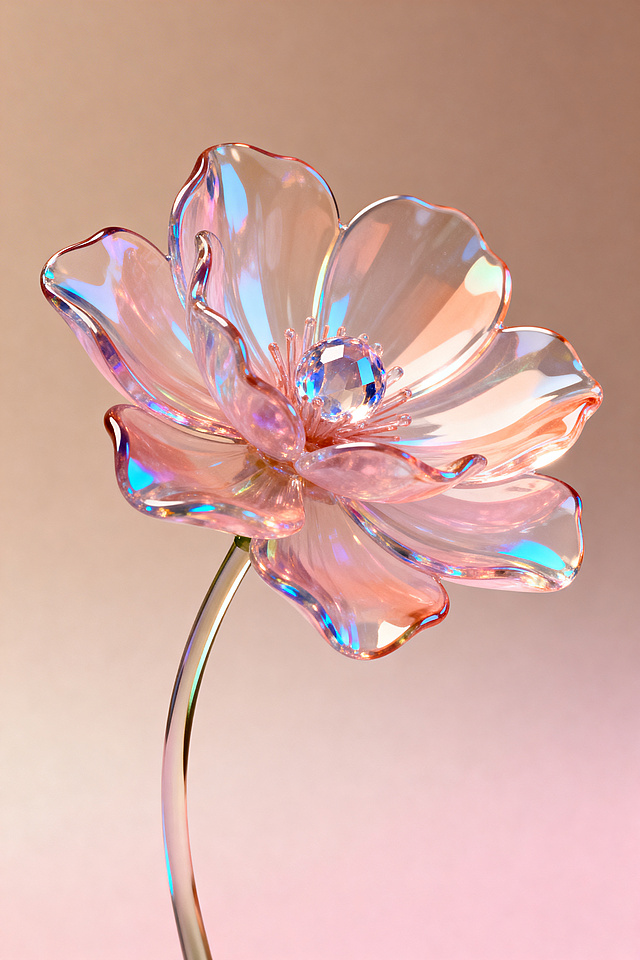
梦幻感玻璃花,3D渲染呈现清透唯美质感,融合虚拟自然与超现实主义,优雅绽放于柔光背景。
Treva1
去除水印
穿西装的痞子
「图片1」帮我提取这里面的花纹
半年啦
改构图改花型 调整成 9;16的画幅 颜色改成黑蓝色风格
1rcuwfw5fgljiT7g-HB
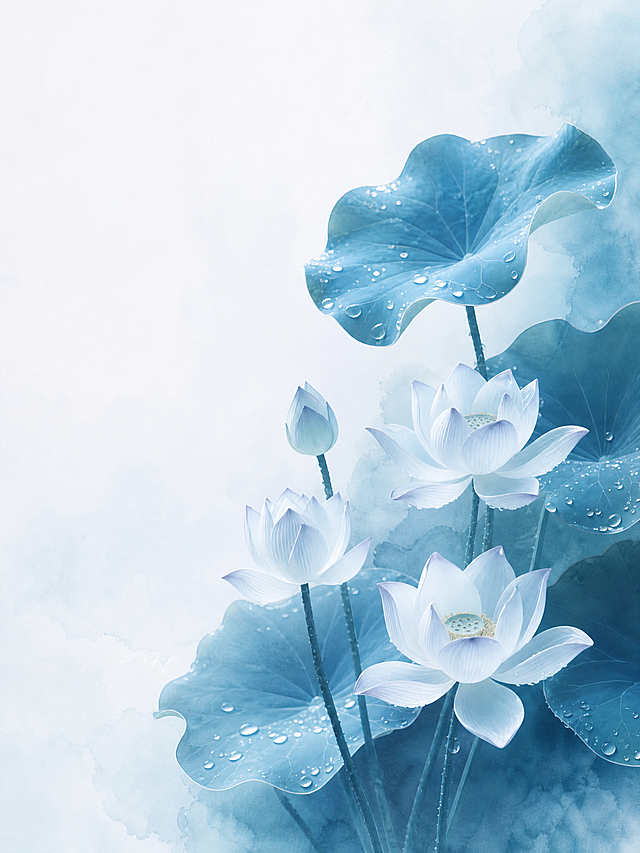
参考原图片的荷花和荷叶构图,保持相同的冷调清新水彩风格,增加背景留白区域,保持水珠细节和原清新雅致的氛围,不改变主体花卉风格
GD454125810
图片改为白底
林琳008
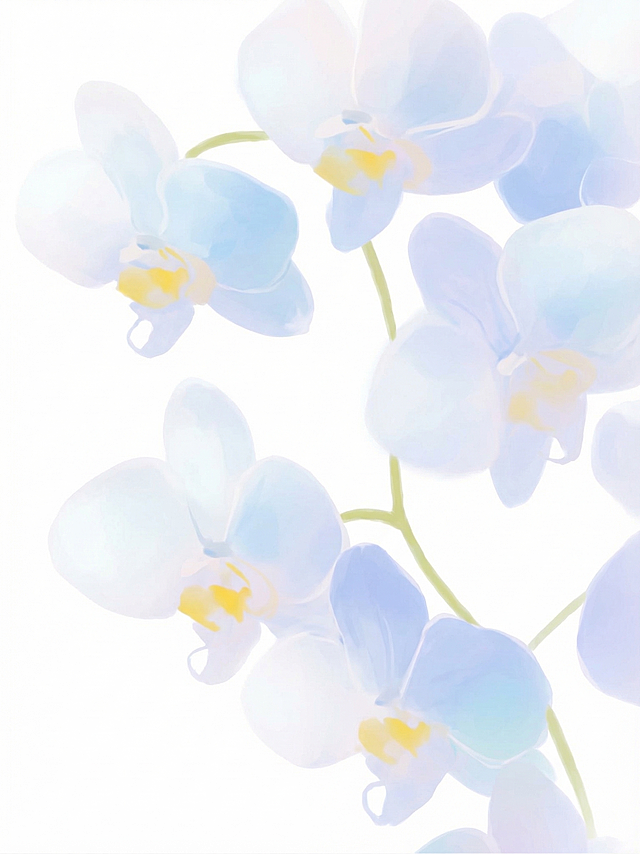
基于参考图生成同款花卉,底色以白色为主,去除磨砂肌理感,去掉所有文字,完整展现图中所有花瓣,图片四周从花朵渐变到白色的空白效果,保持原图的柔和淡雅风格,兰花保留原图的淡蓝白色和黄色花蕊色彩
喂三小姐
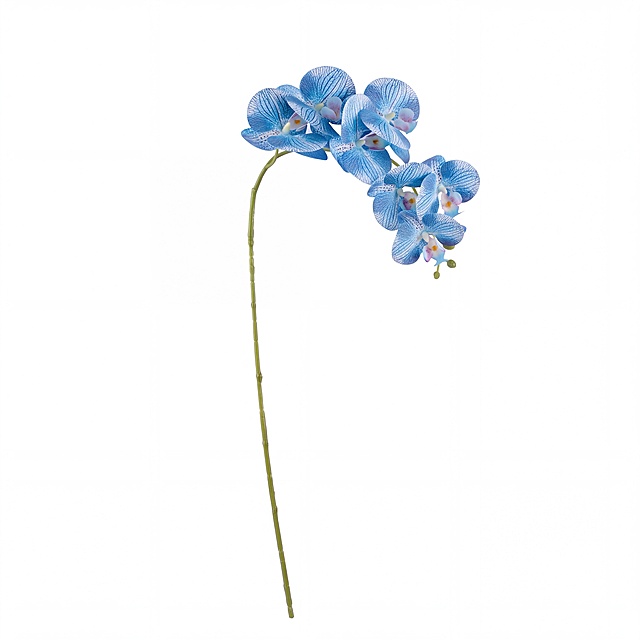
【最高指令】:本次任务仅为更换纯白背景与画质精修,绝对严禁对产品进行任何形式的重新设计、打乱重组或结构变形。必须 100% 像素级保留原图中所有商品元素的数量、形态以及它们之间的相对位置关系。 产品主体位于画面绝对正中心,垂直居中,水平居中,产品主体占据整个画面的 60%-80%,顶部空白区域与底部空白区域高度严格相等,严禁偏下,严禁贴边,严禁切图。正视,平视,严格保持原图产品的拍摄透视,严禁改变产品角度,严禁扶正,严禁镜像翻转。 保留1支蓝色渐变纹理蝴蝶兰仿真花产品主体,保留其原有的颜色和花束形态。 专业商业摄影,顶级布光,高调白底。采用“底部穿透光”逻辑去除所有可见投影,纯白背景无阴影,严禁残留任何落地影、接触阴影或倒影。利用光线自然衰减界定物体边缘,防止底部过曝。严禁出现生硬描边、发光轮廓或割裂感。边缘清晰但过渡自然,与背景严格分离,同时保留物体自身的体积感,确保真实存在而非贴纸。 必须将主体与背景完全物理剥离(抠图级剥离),非主体区域的背景像素必须 100% 强制覆写为 #FFFFFF 纯白,绝对纯净无杂色,不受任何环境光影响;去除所有接触阴影、投射影与倒影;严禁出现大面积灰雾、脏白、斑驳噪点、马赛克纹理或杂色过渡;智能瑕疵修复,全新成色,无瑕疵,无污渍,去除灰尘划痕,平整所有布面/皮面褶皱,消除使用痕迹,表面平整光滑,商业级精修,细节清晰锐利。 无杂物,去除手部干扰,去除手指遮挡,保留原图色相,保持物理结构完整,严禁变形,材质质感增强,去除不规则皱褶,物体表面油润光泽,商业级精修,轮廓光,8k高清,严禁裁剪主体,保留完整边缘 再次强调:产品绝对居中,上下留白相等。
ouyuefactory
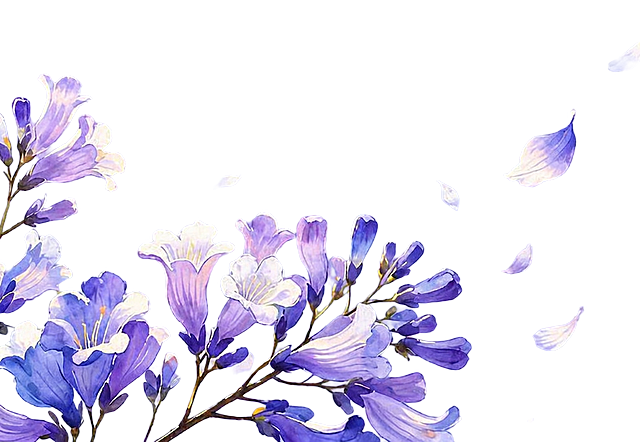
提升这张图片的清晰度,让画面更清晰锐利,保留原有的紫色蓝花楹花卉水彩风格和构图
嘟嘟饲养员
花上加一些水珠
用户9pyiOgtl
竖版小红书情绪海报背景图,深蓝色梦幻氛围感。画面中两朵通透发光的花轻盈绽放,花瓣呈半透明质感,边缘散发柔和幽蓝与浅蓝光晕;周围点缀半透明叶子,若隐若现。背景为深浅蓝渐变底色,低对比度,柔和光斑散景层层晕开,光线流动拖出动态模糊拖影,虚化光晕缓缓流动,朦胧雾气弥漫,光影弥散交融,空灵静谧,细腻柔焦,梦幻唯美,高级氛围感,画面纯净无任何文字,高清8K画质,垂直构图,尺寸1242×1656像素。 反向提示词:文字,水印,签名,人物,建筑,写实硬轮廓,锐利线条,高对比度,脏污,杂乱物体,丑陋,变形,刺眼强光,多余杂物,厚重质感。
静欢0407