已添加
登录/注册
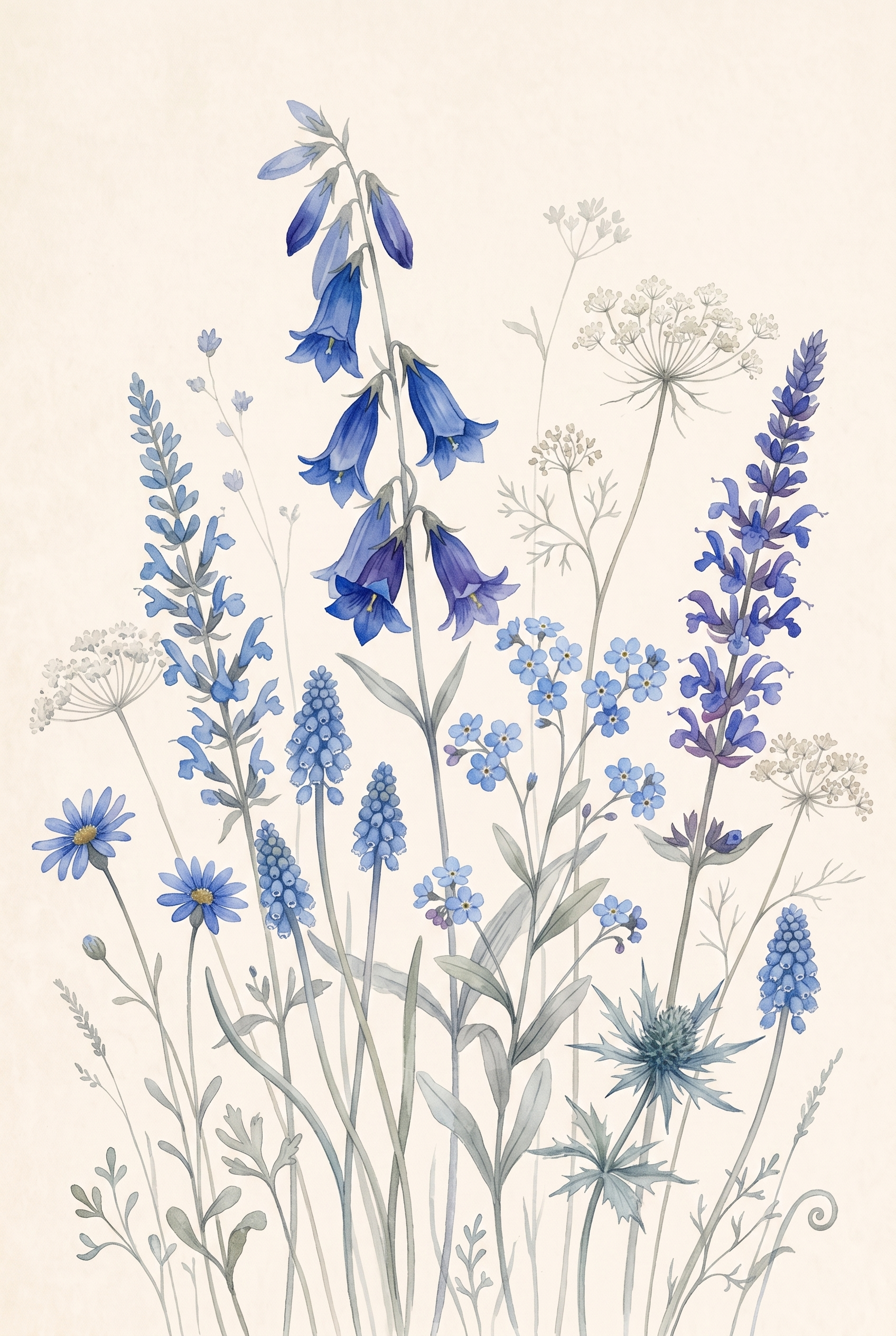
参考当前图片的浅米色背景蓝色野花花丛水彩风格,重新生成不同种类…
参考当前图片的浅米色背景蓝色野花花丛水彩风格,重新生成不同种类的蓝色花卉植物组合画面,保留水彩透明质感、简约复古清新的氛围
艺品堂画廊
2026.05.29
创意延展 × 1
做同款
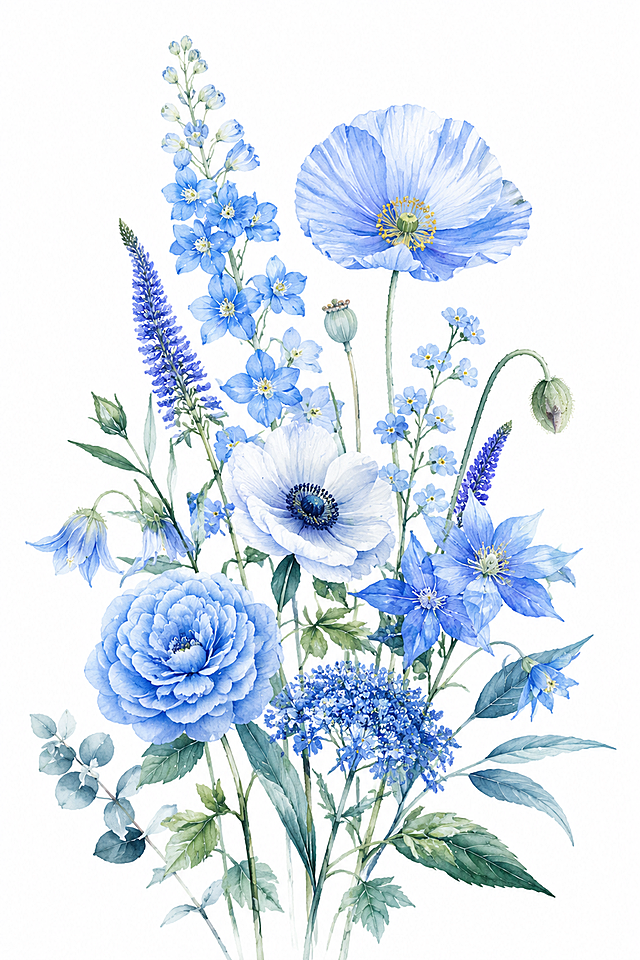
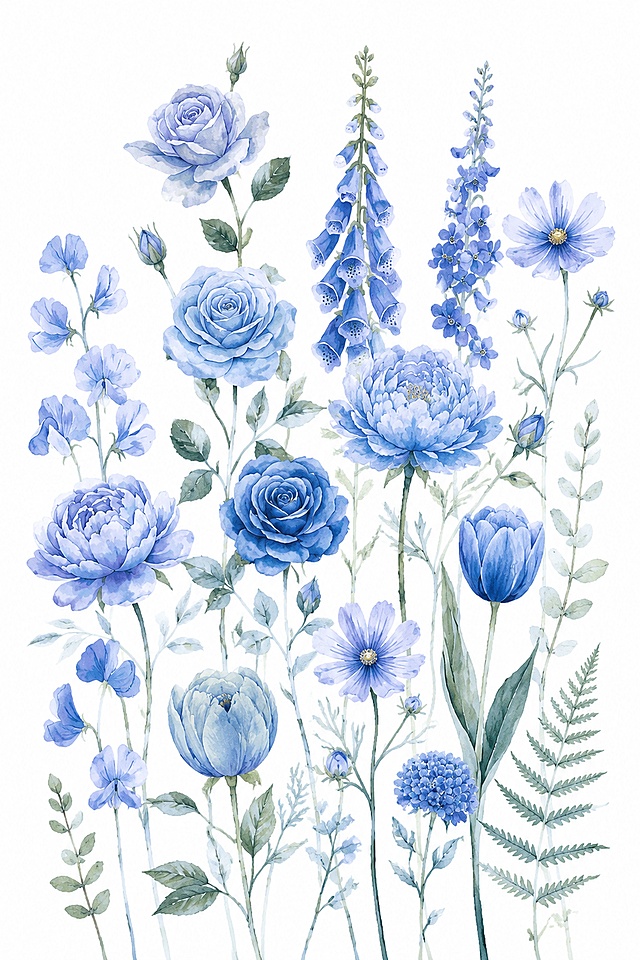
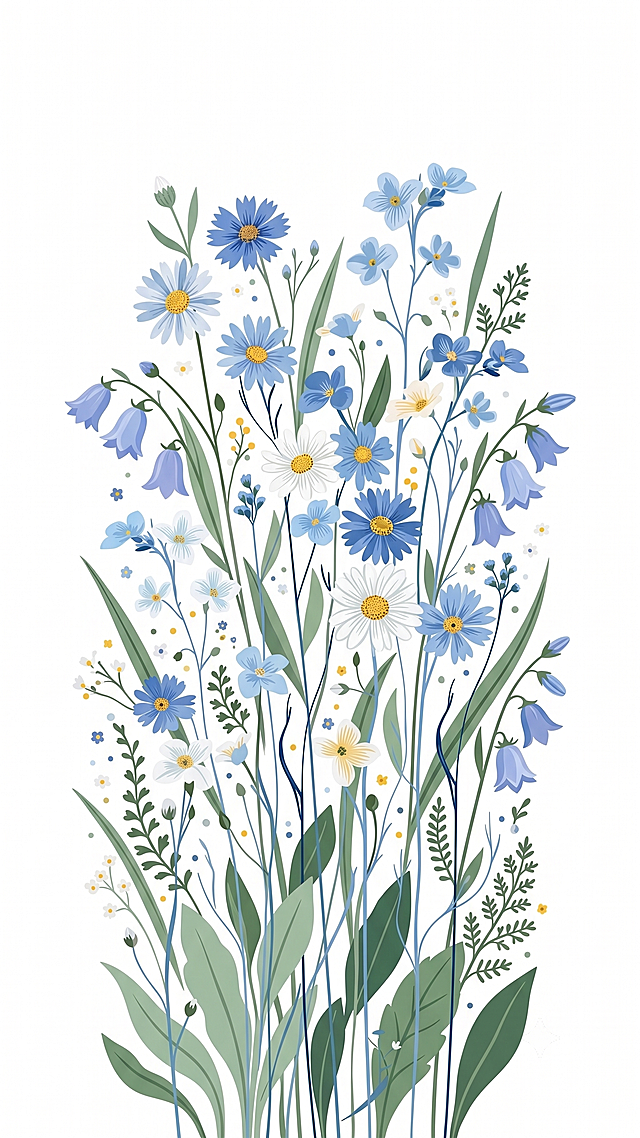
竖幅构图插画风格花卉图,白色背景,多种蓝色系花朵向上生长,花类丰富有主次,花朵不密集,花瓣清晰细致,颜色清新协调,简约美丽,花朵清晰不断裂,大画幅高清,水彩插画风格
GD519248614
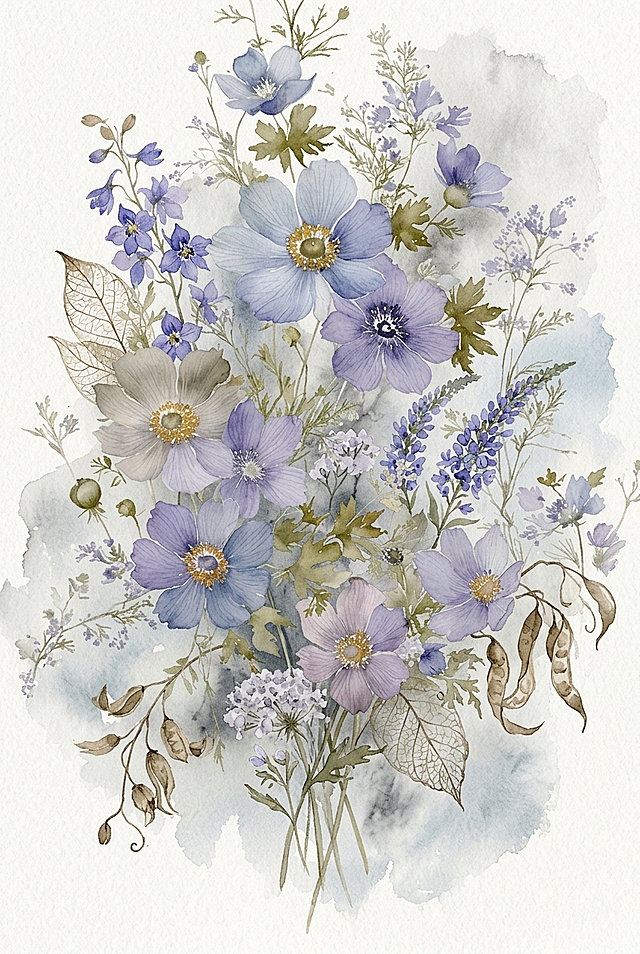
参考当前图片的淡蓝紫色银莲花水彩风格,浅灰调水墨晕染背景,重新生成不同组合的蓝紫色系花卉野花画面,保留水彩透明质感、清新雅致复古氛围,搭配干枯枝叶
艺品堂画廊
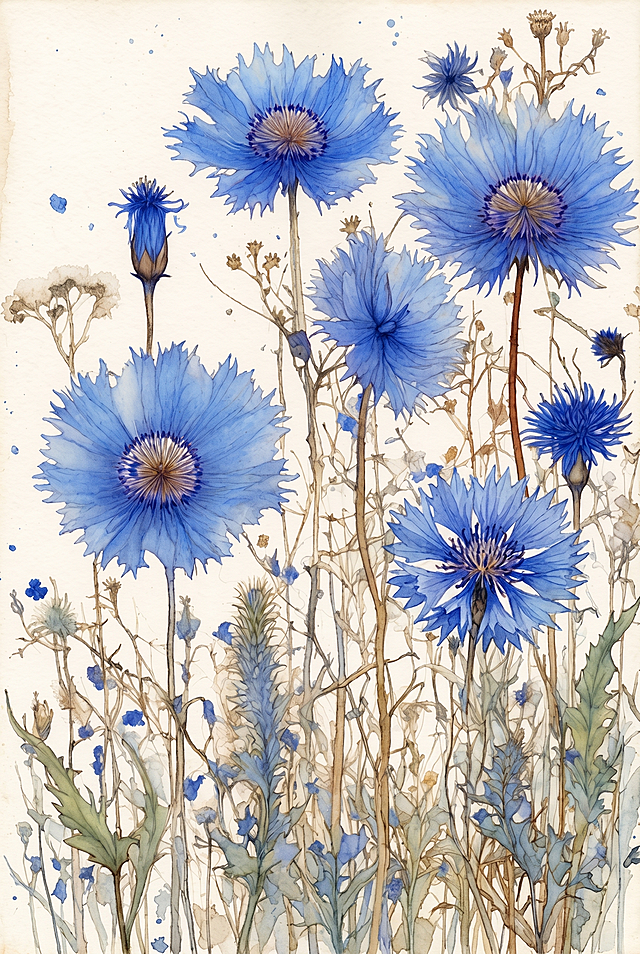
参考当前图片的蓝色矢车菊水彩风格、浅米色背景,重新生成不同排列组合的蓝色花卉画面,保留水彩透明晕染质感、自然干枯枝叶搭配和简约复古氛围
艺品堂画廊
参考图中的花卉构图与向上生长姿态,将整体花朵颜色改为蓝色系,插画水彩风格,花类丰富有主次,包含玫瑰、牡丹、郁金香、波斯菊、毛地黄、飞燕草等多种花卉,呈现向上生长的姿态,花朵不要太密集,花瓣清晰细致,颜色搭配清新协调,简约美丽,花朵清晰不断裂,保留纯白色背景,竖幅构图,大画幅高清画质
GD519248614
参考原图的竖幅构图,重新设计插画风格大花图,多株不同形态的紫色系花朵竖向排列,呈现向上生长的姿态,花朵整体为紫色系列,包含浅紫、粉紫、深紫等多种紫色调,花瓣清晰细致层次丰富,颜色搭配清新协调,白色纯净背景,水彩插画风格,画面清新雅致,细节精致
GD519248614
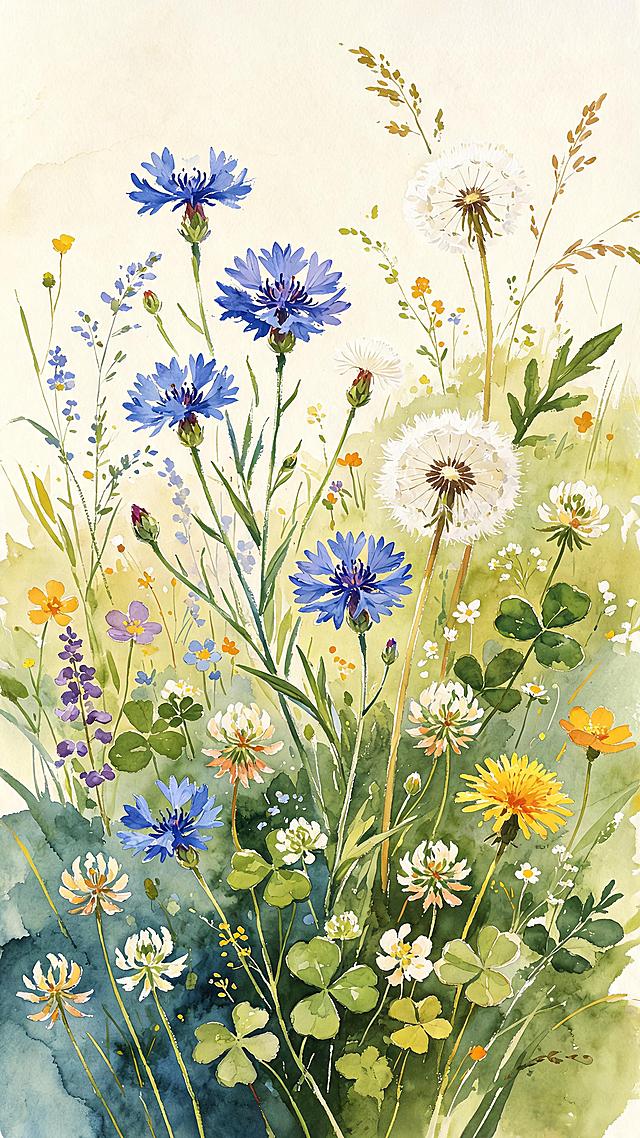
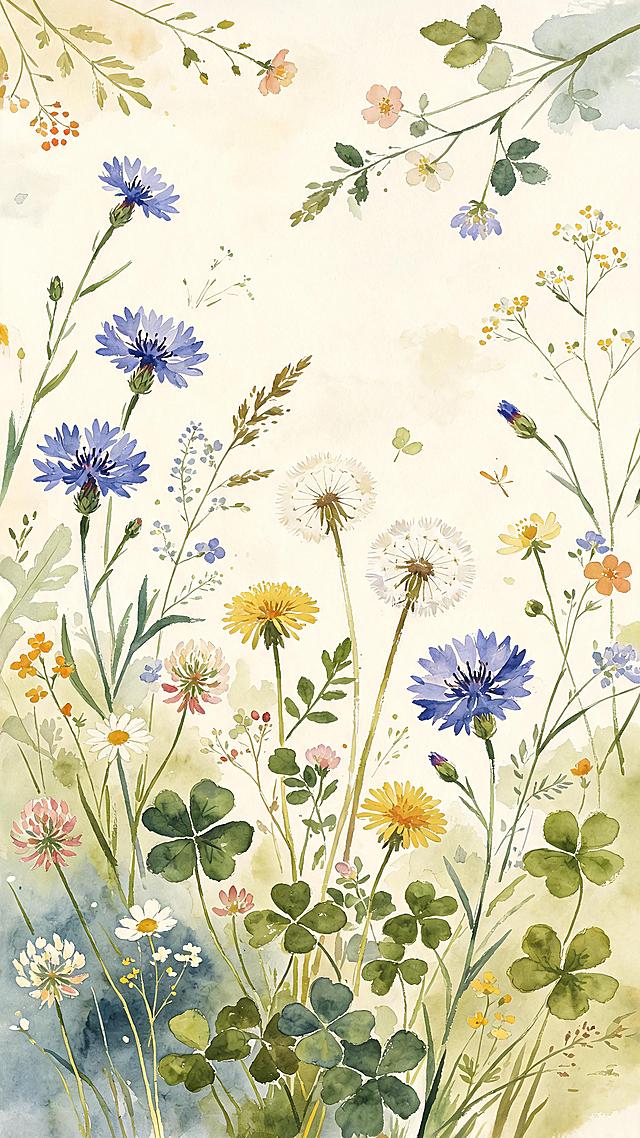
参考原图的花卉水彩画,去掉右下角的文字,保留画面整体构图和风格,画面内容是多种野花:蓝色矢车菊、白色蒲公英、黄色小野花、紫色小花和绿色三叶草,米黄色渐变水彩背景,水彩手绘风格
艺品堂画廊
参考原图重新生成水彩风格野花花丛,包含蓝色矢车菊、蒲公英、三叶草和小野花,不要文字,保持整体自然清新的水彩氛围
艺品堂画廊
参考原图的竖幅构图,重新设计插画风格大花图,多株不同形态的大花朵竖向排列,呈现向上生长的姿态,花朵整体为紫色系列,包含浅紫、粉紫、深紫等多种紫色调,花瓣清晰细致层次丰富,颜色搭配清新协调,保留纯白色背景,水彩插画风格,画面干净雅致
GD519248614
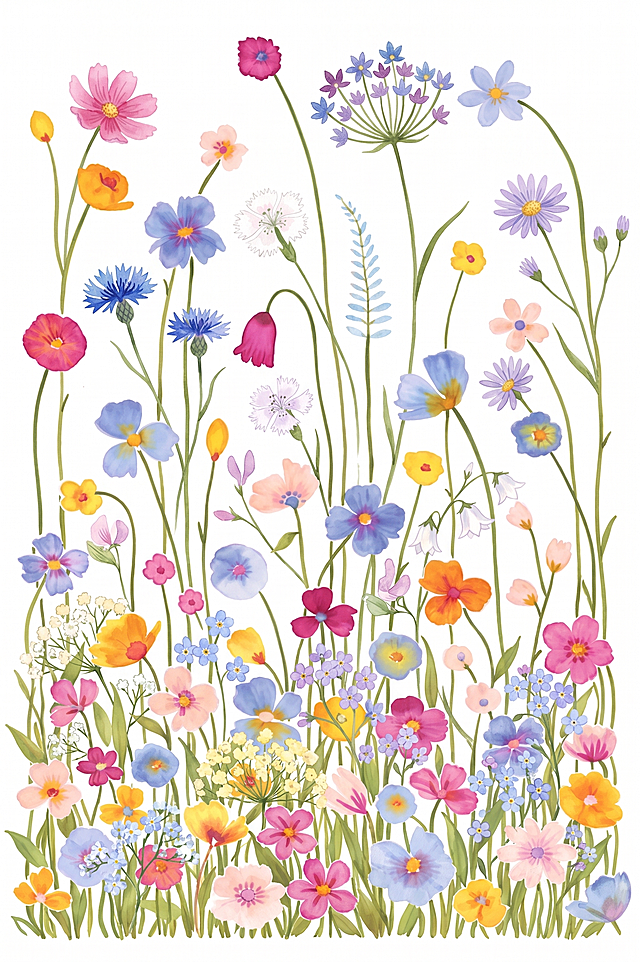
9:16 vertical standalone watercolor botanical illustration, an elegant natural wildflower meadow growing upward from the entire bottom edge, isolated on a clean pure white background. Keep the upper 30% of the canvas completely empty and white. Arrange approximately 18–22 independent slender stems irregularly across the full width. The lower section is rich and layered, the middle section is airy, and the plants gradually become sparse toward the top. The tallest stems reach approximately 70% of the canvas height. No tied bouquet, no central cluster, no flowerpot and no visible ground line. Use only botanically recognizable real flowers: pale blush Shirley poppies (Papaver rhoeas), with four thin papery petals, open golden stamens and realistic nodding buds; soft pink cosmos (Cosmos bipinnatus), with 8 broad evenly spaced petals and small dark burgundy-and-gold centers; muted dusty-rose purple coneflowers (Echinacea purpurea), with narrow naturally drooping petals and raised brown cone-shaped centers; restrained mauve and dusty-coral zinnias (Zinnia elegans), with clearly structured concentric petals, visible centers and no excessive petal stacking; slender English lavender spikes (Lavandula angustifolia), with small realistic purple florets arranged along upright stems; airy purple lace flower umbels (Daucus carota 'Dara'), with fine branching stems and small burgundy-mauve florets; a few delicate pink waxflower sprigs (Chamelaucium uncinatum); sparse blue-gray eucalyptus branches with naturally paired rounded leaves. Every flower must match its real botanical prototype. Preserve the correct petal count, flower-center structure, bud shape, leaf type, stem proportions and natural growth direction of each species. Do not combine the flower head of one species with the leaves or buds of another. Flowers should have believable front-facing, three-quarter and gentle side-facing angles, with no distorted or invented forms. Maintain one cohesive low-saturation palette throughout the artwork: shell pink, dusty blush, antique rose, muted coral, soft mauve, smoky lavender and restrained plum accents, balanced with blue-gray eucalyptus, sage green and desaturated gray-green foliage. Avoid isolated bright colors. Use warm muted yellow only in a few small flower centers. All colors should feel softened by the same cool gray undertone and belong to one coordinated collection. Delicate transparent watercolor painting, thin layered washes, soft natural pigment transitions, subtle paperless watercolor texture, clean defined botanical silhouettes, continuous slender stems, refined leaf edges and restrained detail. Elegant contemporary European botanical illustration, fresh and commercially appealing, feminine but not old-fashioned, suitable for a premium phone-case surface design. High resolution, clean separation from the white background, easy to extract.
kayanonai
水彩风格手绘野花,色彩柔和,自然清新,无科技元素。
kayanonai
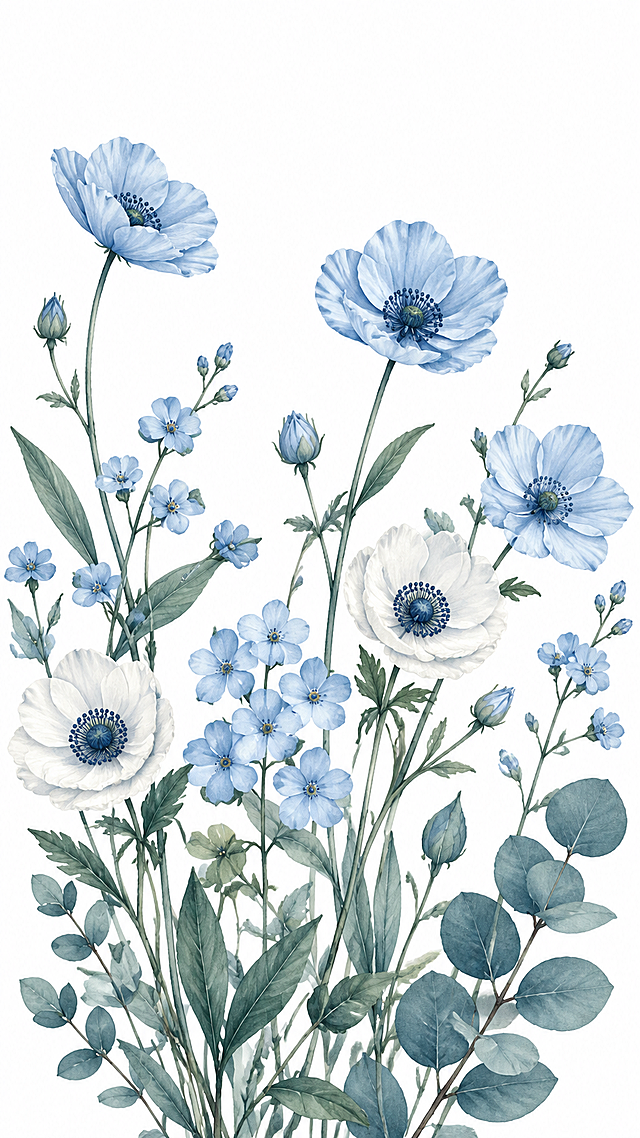
9:16 vertical standalone botanical watercolor illustration, a graceful blue-green wildflower arrangement growing upward from the entire bottom edge, isolated on a perfectly pure white background. Keep the upper 25-28% of the canvas completely empty and white. Arrange approximately 13-16 independent stems across the lower three-quarters of the composition. The stems cross and overlap naturally near the bottom, then spread into separate directions toward the middle and top. Create an airy asymmetrical rhythm with clear height differences and irregular open gaps. Place two isolated tall flowers near the upper left and upper center-right, several medium-height flowers on both sides, and richer foliage near the bottom. Avoid uniform spacing, a triangular bouquet silhouette or an orderly staircase. Use realistic, recognizable flower structures: three large pale-blue single cup-shaped flowers with five broad, gently overlapping petals, including one high side-facing blossom, one large three-quarter-view blossom near the upper center-right and one outward-facing blossom on the right; two large ivory-white single anemones with five or six softly crinkled petals and refined deep blue stamens, positioned at different heights on the lower left and middle right; one compact group of six to eight medium-sized pale-blue five-petal blossoms near the lower center, clearly separated rather than forming a dense dotted ball; two slender branches carrying a few small blue five-petal flowers, with visible individual petals and generous spacing; three to five realistic closed or half-open buds in different sizes and orientations. Vary every flower through size, openness, direction and viewing angle. Petals should retain believable botanical construction and must not look like repeated copies. Combine several clean foliage shapes: long lance-shaped leaves, narrow gently curved leaves, a small branch of oval leaves and one prominent eucalyptus-like branch with large rounded blue-green leaves on the lower right. Leaves vary naturally in size and direction, with complete smooth edges and restrained overlap. Do not add finely divided, feathery or radiating foliage. Stems are slender, continuous and muted dark teal-green. Most grow upward with a slight irregular lean; a few bend gently beneath the weight of the flowers. Keep the curves broad and subtle, without rigid parallel lines, exaggerated S-curves or decorative spirals. Use a low-saturation cool watercolor palette: powder blue, misty sky blue, dusty teal, pale aqua, celadon, gray sage, muted blue-green, soft ivory and small deep petrol-blue accents. The upper flowers are slightly brighter blue, while the lower foliage includes deeper teal and blue-gray tones. White flowers contain faint cool-blue shadows so their petals remain visible against the white background. Use tiny dark blue stamens as controlled focal details. Clean and refined botanical watercolor painting, translucent layered washes, smooth soft color gradients, delicate dry-brush texture on petal edges, no harsh outlines, soft natural lighting from upper left, subtle paper texture, museum-quality botanical illustration, ultra-detailed, 4K fine art quality
kayanonai
参考原图竖幅构图,重新设计插画风格大花图,清晰的大花朵,深紫色系花朵,呈现向上生长的姿态,花朵整体为紫色系列,花瓣清晰细致,颜色搭配清新协调,保留白色背景,水彩插画风格,花朵形态饱满,花茎修长向上,整体画面清新雅致,白色纯净背景
GD519248614
参考原图的竖幅构图,重新设计插画风格大花图,清晰的大花朵,深蓝色系花朵,呈现向上生长的姿态,花朵整体为蓝色系列,花瓣清晰细致,颜色搭配清新协调,保留白色背景。水彩插画风格,多株不同形态的蓝色花卉竖向排列,花朵有深浅不同的蓝色层次,从浅蓝到深蓝渐变,花瓣纹理细腻清晰,花茎修长向上生长,搭配少量蓝紫色叶片和花苞,整体构图竖幅修长,白色纯净背景,清新雅致的植物插画风格,画面干净通透
GD519248614
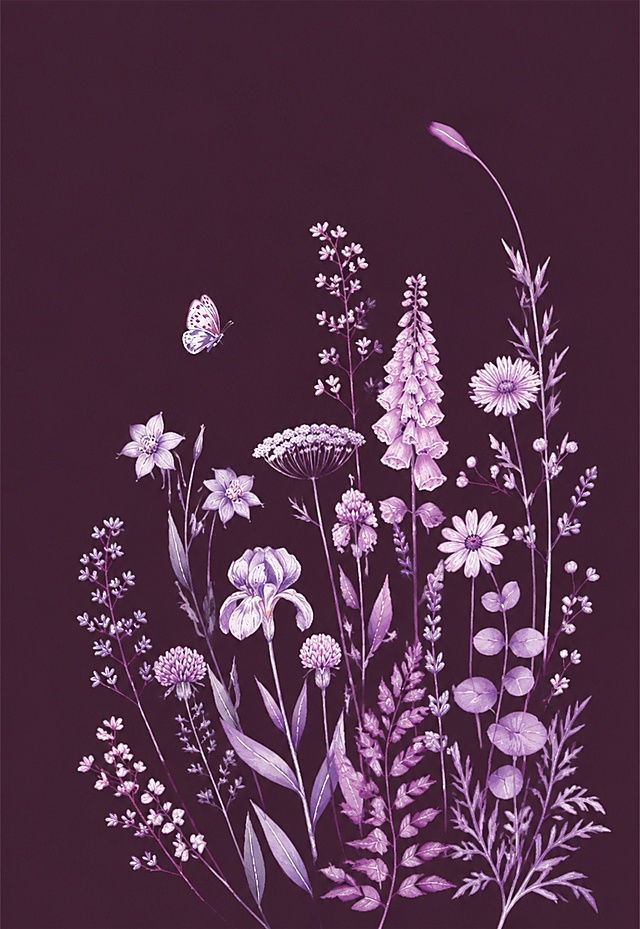
保持原整体构图、深紫背景和水彩风格不变,重新替换所有花朵为全新的不同花型品种,彻底变换所有叶子的形状,保持蝴蝶位置和淡紫色调不变
AgeeL
参考原图水彩风格的野趣花草,画面中不要文字,保留蓝紫色矢车菊、蒲公英、三叶草、小雏菊等各类野花组合,水彩晕染背景,保持淡雅清新的色调
艺品堂画廊
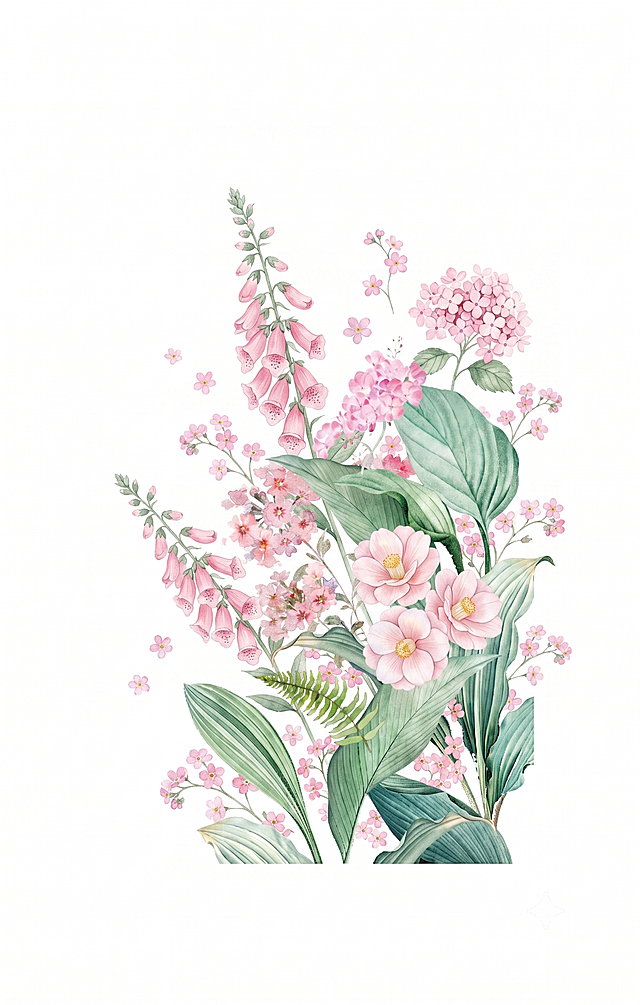
保持原水彩手绘风格和原构图不变,将花的类型和叶子的形状做相似变化,在花和叶子的空隙处增加一些同风格的小粉色花朵,保持整体清新淡雅的水彩质感
猫屎便当🍱河童日常
保持原风格构图不变,改变花的类型和形状,在空隙处添加叶子或小花点缀,将背景改为白色
AgeeL
重新生成
用户0r0UUsSY
保持原整体构图、深紫背景和水彩风格不变,替换所有花朵为完全不同的花型品种,变换所有叶子的形状,保持蝴蝶位置和淡紫色调不变
AgeeL
参考当前图片的水彩花卉风格,重新生成花卉,将叶子调整得更绿一些,保持整体构图和蓝色花朵不变
avSFikEl
改白底
林琳008
改白底
林琳008
保持原图构图和黑色背景不变,替换所有现有花朵为不同品种的其他花卉,保留蓝色小蝴蝶,整体配色参考第一张图的柔和莫兰迪色系,为叶子增加清晰的纹理细节,保持水彩插画风格一致
AgeeL
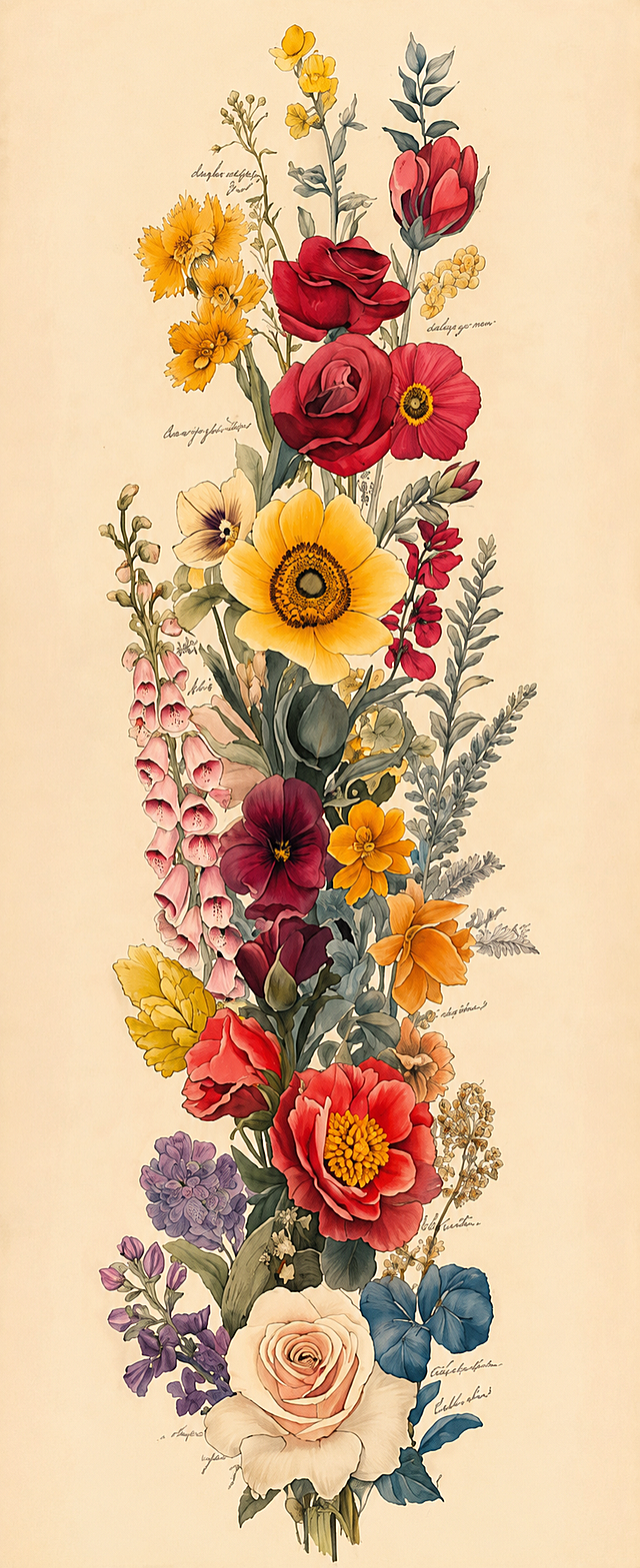
手绘风格多种花卉组合,包含玫瑰、郁金香等,配以拉丁文标注,适合装饰或自然主题设计
GD419234022
重新生成画面内容,去掉所有文字,保留原有的紫色风铃花、芦苇等植物,保持中式水墨淡彩风格,背景米白色,保留霜雪落叶的氛围感,无任何文字和水印
艺品堂画廊