已添加
登录/注册
保持原图片的深棕色背景,构图和整体色调不变,替换为相似风格的不…
保持原图片的深棕色背景,构图和整体色调不变,替换为相似风格的不同水彩花朵图案,并额外新增一些同风格的花卉元素
kayanonai
2026.09.22
做同款
基于参考图进行优化,保持原图9:16比例、深勃艮第酒红色背景、整体构图、顶部留白、所有花朵与花苞的位置、数量、大小、朝向、枝干走向以及粉紫灰配色完全不变,仅优化植物边缘和枝叶形态。 优化要求: 1. 将所有花瓣、叶片、花苞和枝干的外轮廓处理得平整、清晰、柔和、连续。花瓣边缘保留轻微自然起伏,但去掉锯齿、毛刺、破碎缺口和过度纤维感。 2. 叶片改为轮廓简洁的披针形、窄椭圆形或自然圆叶,减少叶缘锯齿与细小分叉。删除枝叶末端大量尖锐、细碎、向外放射的神经末梢状线条,仅保留必要的完整叶片和少量自然侧枝。 3. 枝干保持原有生长路径,线条略微加粗约5%,粗细稳定,衔接顺畅,从画面底部连续连接至每一朵花,不要断裂、分叉过密或出现刺状末端。 4. 叶片与枝干保持统一的暗紫灰、灰蓝紫色,表面上色平滑,减少干刷纹理和块面感。 5. 保持二维细腻手绘植物插画质感,轮廓清晰但不要黑色描边。 禁止:重新排列构图,移动、增加或删除花朵,改变背景与整体明暗,增加细碎小叶、锯齿叶、针状枝条、毛刺边缘、放射状叶脉、神经末梢状分叉、模糊晕边、颗粒噪点或圆柱状枝干。
kayanonai
9:16竖版复古植物花园插画。背景为均匀纯净的深勃艮第酒红色,略带棕调,纯色无渐变、无纹理、无光效。 约20-24株独立野花从画面底边自然向上生长,形成下密上疏、参差错落的竖向花境。植物主要集中在画面下方65%区域,顶部保留约30%完整开阔的酒红色留白。花枝高度明显不同,整体轮廓呈自然起伏,不排成整齐直线;最高的一株位于右上方,其余高花在中部和左右两侧形成疏密呼应。 花型混合:少瓣波斯菊、轻薄罂粟状花、单瓣野蔷薇、小型五瓣花、侧开的铃形花、少量含苞花蕾。花朵大小有明显差异,以中小型花为主,每朵朝向和开放程度不同,避免同一种花形重复堆叠。 花色:低饱和灰粉、豆沙粉、淡藕粉、雾紫、灰蓝紫、少量深梅紫;花心为暗金褐色,只作细小点缀,无鲜黄色。 所有花朵通过清晰、连续的细长枝茎连接到底部,枝干微微弯曲但整体向上生长,不断裂、不悬浮、不相互缠成一团。枝茎颜色:低饱和橄榄灰、暗紫灰、灰褐色。 叶片数量适中,形态纤细,以尖叶、窄叶和少量圆形灰蓝叶为主,叶色为灰蓝、蓝紫灰和暗紫灰,无鲜绿色。 精致二维手绘植物插画风格,结合轻微彩铅笔触和克制的透明水彩层次。花瓣有细腻自然的脉络、柔和明暗和轻薄通透感,轮廓清楚完整,颜色过渡平滑。画面优雅、轻盈、安静,带轻复古感和现代商业审美,适合欧美女性手机壁纸及手机壳图案。 禁止出现:手机壳、手机模型、文字、边框、蝴蝶、昆虫、花瓶、草地、阴影、发光、梦幻柔焦、浓重颗粒、厚涂油画、黑色描边、强烈水彩晕染、毛刺边缘、断裂枝条、圆柱状枝干、大片鲜绿叶片、密集碎花、平均散点排列、完全对称构图、花朵整齐排队、相同花型大量重复。
kayanonai
去掉画面的雾感,保持边缘清晰,画面背景保持纯白
kayanonai
保持原图构图不变,保持水彩插画风和灰色背景不变,替换所有现有花朵和叶子为完全不同品种的其他花卉和叶子,保持整体浅紫、浅蓝、卡其色的柔和色调和水彩插画风格一致
AgeeL
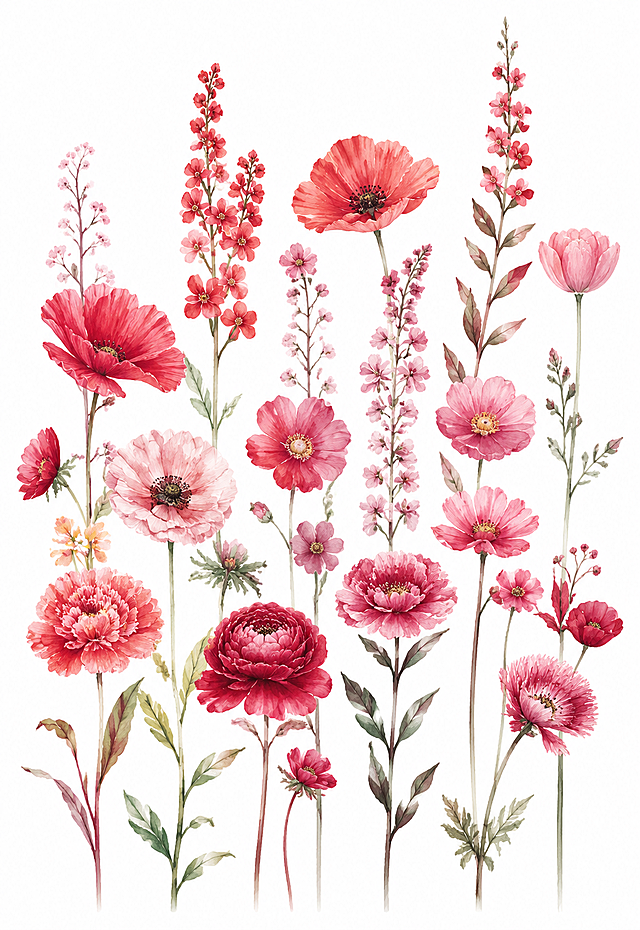
竖幅构图水彩插画风格花卉图,纯白色背景,多种暗红色系花朵向上生长,大花花类丰富有主次关系,包含不同形态的花朵,花朵整体为暗红色系(酒红、深红、暗红、玫红、紫红等深浅层次),花瓣清晰细致层次分明,花朵完整清晰不断裂,花茎修长自然向上延伸,画面干净留白充足,水彩晕染质感,笔触细腻柔和,大画幅高清,精致唯美
GD519248614
图片改为白底
林琳008
竖幅构图水彩插画风格花卉图,纯白色背景,多种粉红色系花朵向上生长,花类丰富有主次关系,花朵不密集留有呼吸感,花瓣清晰细致纹理分明,颜色清新协调柔和,简约美丽,花朵清晰完整不断裂,大画幅高清精致,水彩手绘质感,画面干净优雅
GD519248614
保持原整体构图、深紫背景和水彩风格不变,重新替换所有花朵为全新的不同花型品种,彻底变换所有叶子的形状,保持蝴蝶位置和淡紫色调不变
AgeeL
改白底
林琳008
参考原图的竖幅构图,重新设计插画风格花卉图,多株清晰的大花朵向上生长的姿态,花朵整体为红色系列,包含深红、玫红、粉红、浅红等层次,花瓣清晰细致,纹理精致,颜色搭配清新协调,保留纯白色背景,水彩插画风格,画面干净唯美,花朵形态优美好看
GD519248614
保持原整体构图、深紫背景和水彩风格不变,替换所有花朵为完全不同的花型品种,变换所有叶子的形状,保持蝴蝶位置和淡紫色调不变
AgeeL
画面背景颜色不变,构图不变,背景保持纯白,主题花朵变成酒红色调
kayanonai
变成纯白背景,花朵和质感边缘清晰,不要有雾感
kayanonai
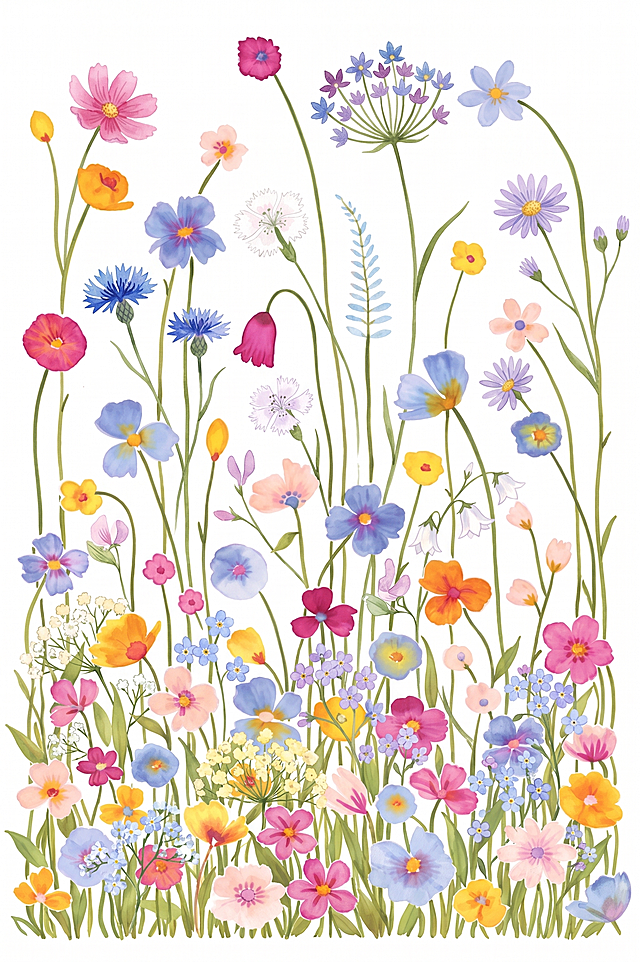
水彩风格手绘野花,色彩柔和,自然清新,无科技元素。
kayanonai
9:16 vertical standalone watercolor botanical illustration, an elegant natural wildflower meadow growing upward from the entire bottom edge, isolated on a clean pure white background. Keep the upper 30% of the canvas completely empty and white. Arrange approximately 18–22 independent slender stems irregularly across the full width. The lower section is rich and layered, the middle section is airy, and the plants gradually become sparse toward the top. The tallest stems reach approximately 70% of the canvas height. No tied bouquet, no central cluster, no flowerpot and no visible ground line. Use only botanically recognizable real flowers: pale blush Shirley poppies (Papaver rhoeas), with four thin papery petals, open golden stamens and realistic nodding buds; soft pink cosmos (Cosmos bipinnatus), with 8 broad evenly spaced petals and small dark burgundy-and-gold centers; muted dusty-rose purple coneflowers (Echinacea purpurea), with narrow naturally drooping petals and raised brown cone-shaped centers; restrained mauve and dusty-coral zinnias (Zinnia elegans), with clearly structured concentric petals, visible centers and no excessive petal stacking; slender English lavender spikes (Lavandula angustifolia), with small realistic purple florets arranged along upright stems; airy purple lace flower umbels (Daucus carota 'Dara'), with fine branching stems and small burgundy-mauve florets; a few delicate pink waxflower sprigs (Chamelaucium uncinatum); sparse blue-gray eucalyptus branches with naturally paired rounded leaves. Every flower must match its real botanical prototype. Preserve the correct petal count, flower-center structure, bud shape, leaf type, stem proportions and natural growth direction of each species. Do not combine the flower head of one species with the leaves or buds of another. Flowers should have believable front-facing, three-quarter and gentle side-facing angles, with no distorted or invented forms. Maintain one cohesive low-saturation palette throughout the artwork: shell pink, dusty blush, antique rose, muted coral, soft mauve, smoky lavender and restrained plum accents, balanced with blue-gray eucalyptus, sage green and desaturated gray-green foliage. Avoid isolated bright colors. Use warm muted yellow only in a few small flower centers. All colors should feel softened by the same cool gray undertone and belong to one coordinated collection. Delicate transparent watercolor painting, thin layered washes, soft natural pigment transitions, subtle paperless watercolor texture, clean defined botanical silhouettes, continuous slender stems, refined leaf edges and restrained detail. Elegant contemporary European botanical illustration, fresh and commercially appealing, feminine but not old-fashioned, suitable for a premium phone-case surface design. High resolution, clean separation from the white background, easy to extract.
kayanonai
将图片生成高清大图,保留原图中手绘花卉插画的内容、风格和构图,提升画质清晰度和细节表现力
EstherLOVEuu
保持原风格原构图不变,使花的类型和叶子类型形状变化,黑色背景变成透明「图片1」
AgeeL
图片改白底
林琳008
参考图中的手绘水彩风格野生花卉四方连续纹样,重新生成类似的花卉重复图案,包含多种细长茎干的野花、小雏菊、兰花、蓟花等,色彩丰富有黄色、橙色、粉色、蓝色、紫色,背景为纯黑色,无缝拼接的四方连续图案,手绘插画风格,精致细腻
1r0e1mdvv0_nKlnw-HB
将图片外围灰色背景替换为纯白色,保留压花干花本身不变,只抠出花材保留纯白背景
1qlrbfwa2uEdxxVw-HB
繁复精致的爱马仕丝巾纹样,以红色为主色调,红色底,画面丰富的花草,叶子,勾勒出繁茂生态。等序排列,画面饱满,深浅不一的红色系色少量橙色粉色营造层次感,黄色点缀,主视觉大牡丹分布错落,蜂鸟,蝴蝶点缀,画面中间空白,增添画面灵动。时尚复古,工笔画技法,线条勾勒笔触,整体风格细腻且富有想象力,高定风格。
蔡家大小姐
古典花卉图案,融合现代设计手法,呈现复古与时尚交织的视觉美感,适用于节日装饰与高端布艺设计。
GD436245733
再次生成一张不雷同的 花朵内容更变
用户0r0UUsSY
参考提供图片的水彩插画花卉风格,重新生成满幅多彩花卉插画背景
GD745881959
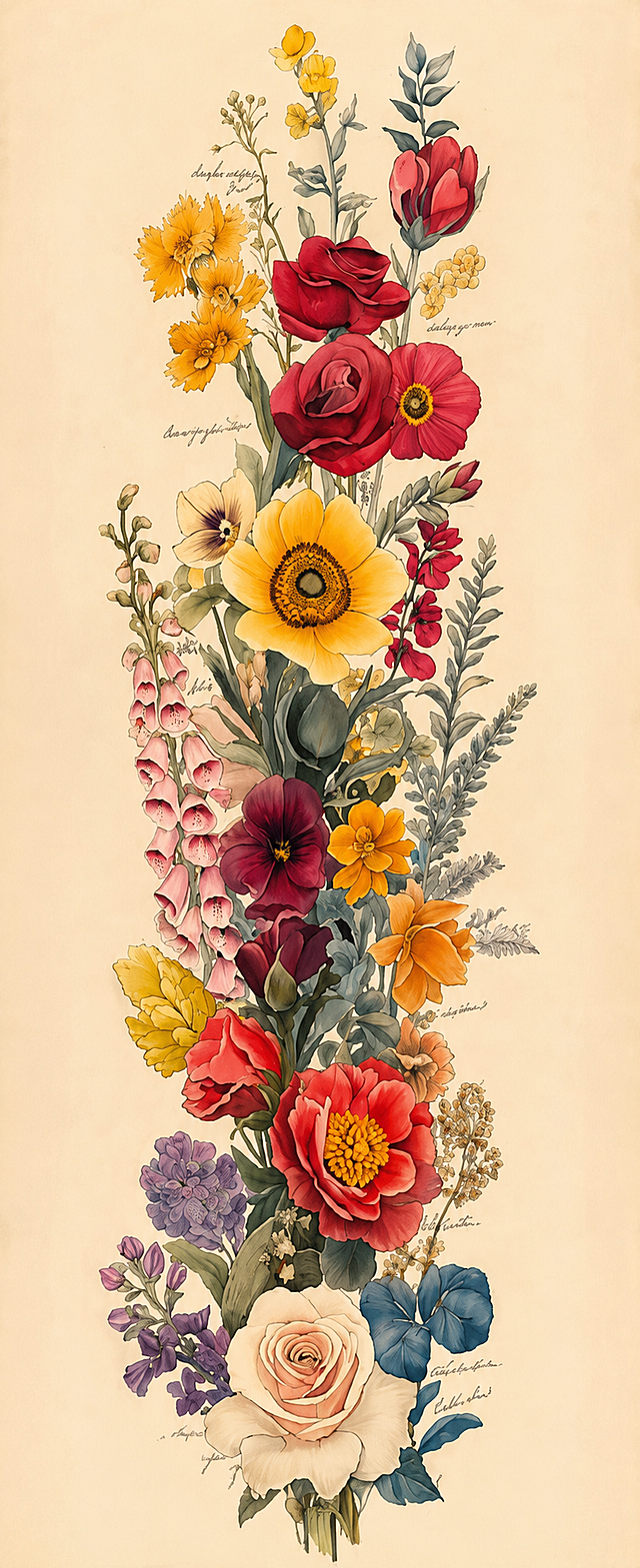
手绘风格多种花卉组合,包含玫瑰、郁金香等,配以拉丁文标注,适合装饰或自然主题设计
GD419234022