竖幅构图水彩插画风格花卉图,纯白色背景,多种暗红色系花朵向上生… - 图片创意预览

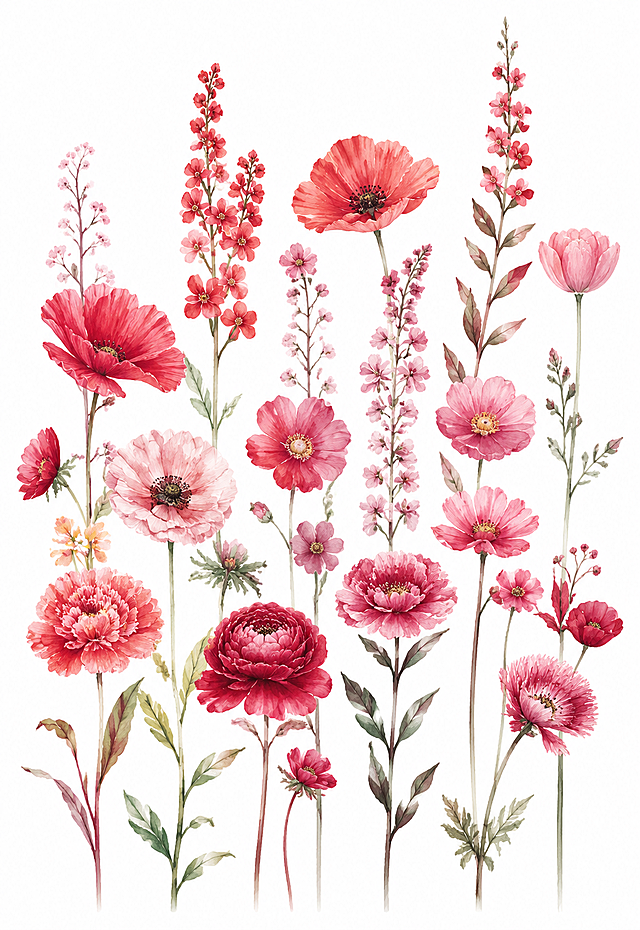
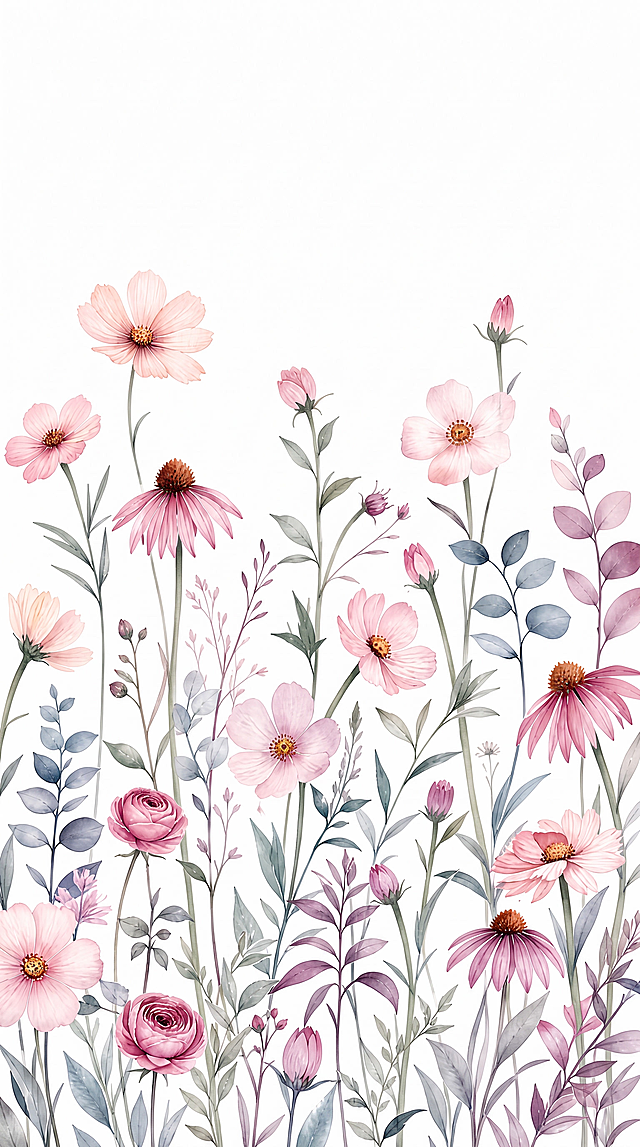
竖幅构图水彩插画风格花卉图,纯白色背景,多种暗红色系花朵向上生…

竖幅构图水彩插画风格花卉图,纯白色背景,多种暗红色系花朵向上生长,大花花类丰富有主次关系,包含不同形态的花朵,花朵整体为暗红色系(酒红、深红、暗红、玫红、紫红等深浅层次),花瓣清晰细致层次分明,花朵完

用户头像

GD519248614

2026.07.28
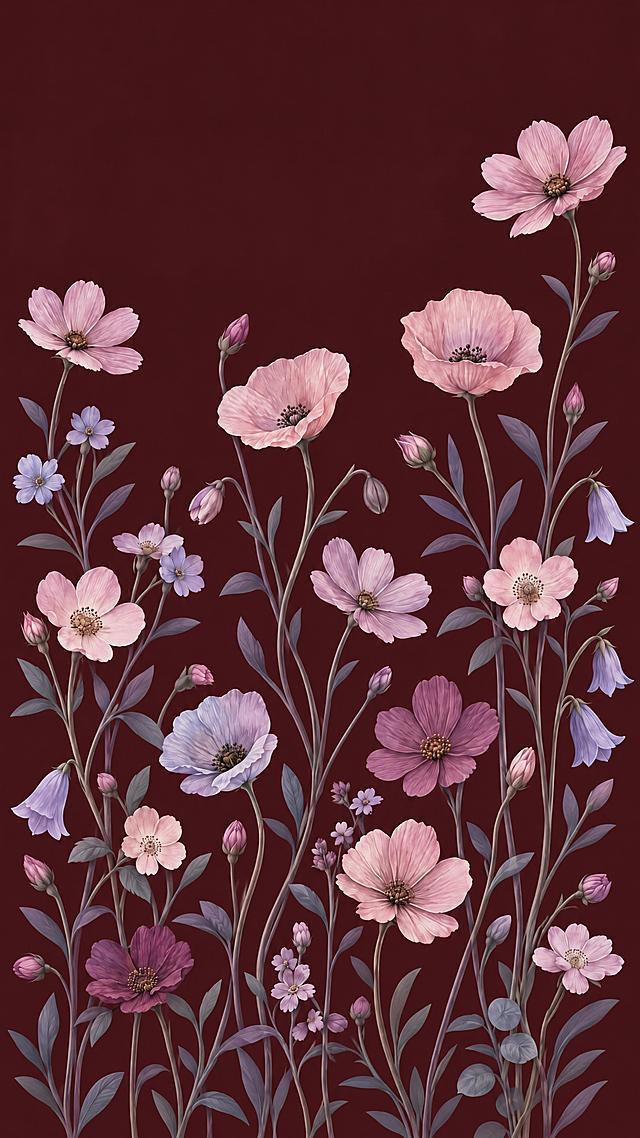
9:16竖版复古植物花园插画。背景为均匀纯净的深勃艮第酒红色,略带棕调,纯色无渐变、无纹理、无光效。 约20-24株独立野花从画面底边自然向上生长,形成下密上疏、参差错落的竖向花境。植物主要集中在画面下方65%区域,顶部保留约30%完整开阔的酒红色留白。花枝高度明显不同,整体轮廓呈自然起伏,不排成整齐直线;最高的一株位于右上方,其余高花在中部和左右两侧形成疏密呼应。 花型混合:少瓣波斯菊、轻薄罂粟状花、单瓣野蔷薇、小型五瓣花、侧开的铃形花、少量含苞花蕾。花朵大小有明显差异,以中小型花为主,每朵朝向和开放程度不同,避免同一种花形重复堆叠。 花色:低饱和灰粉、豆沙粉、淡藕粉、雾紫、灰蓝紫、少量深梅紫;花心为暗金褐色,只作细小点缀,无鲜黄色。 所有花朵通过清晰、连续的细长枝茎连接到底部,枝干微微弯曲但整体向上生长,不断裂、不悬浮、不相互缠成一团。枝茎颜色:低饱和橄榄灰、暗紫灰、灰褐色。 叶片数量适中,形态纤细,以尖叶、窄叶和少量圆形灰蓝叶为主,叶色为灰蓝、蓝紫灰和暗紫灰,无鲜绿色。 精致二维手绘植物插画风格,结合轻微彩铅笔触和克制的透明水彩层次。花瓣有细腻自然的脉络、柔和明暗和轻薄通透感,轮廓清楚完整,颜色过渡平滑。画面优雅、轻盈、安静,带轻复古感和现代商业审美,适合欧美女性手机壁纸及手机壳图案。 禁止出现:手机壳、手机模型、文字、边框、蝴蝶、昆虫、花瓶、草地、阴影、发光、梦幻柔焦、浓重颗粒、厚涂油画、黑色描边、强烈水彩晕染、毛刺边缘、断裂枝条、圆柱状枝干、大片鲜绿叶片、密集碎花、平均散点排列、完全对称构图、花朵整齐排队、相同花型大量重复。9:16竖版复古植物花园插画。背景为均匀纯净的深勃艮第酒红色,略带棕调,纯色无渐变、无纹理、无光效。

约20-24株独立野花从画面底边自然向上生长,形成下密上疏、参差错落的竖向花境。植物主要集中在画面下方65%区域,顶部保留约30%完整开阔的酒红色留白。花枝高度明显不同,整体轮廓呈自然起伏,不排成整齐直线;最高的一株位于右上方,其余高花在中部和左右两侧形成疏密呼应。

花型混合:少瓣波斯菊、轻薄罂粟状花、单瓣野蔷薇、小型五瓣花、侧开的铃形花、少量含苞花蕾。花朵大小有明显差异,以中小型花为主,每朵朝向和开放程度不同,避免同一种花形重复堆叠。

花色:低饱和灰粉、豆沙粉、淡藕粉、雾紫、灰蓝紫、少量深梅紫;花心为暗金褐色,只作细小点缀,无鲜黄色。

所有花朵通过清晰、连续的细长枝茎连接到底部,枝干微微弯曲但整体向上生长,不断裂、不悬浮、不相互缠成一团。枝茎颜色:低饱和橄榄灰、暗紫灰、灰褐色。

叶片数量适中,形态纤细,以尖叶、窄叶和少量圆形灰蓝叶为主,叶色为灰蓝、蓝紫灰和暗紫灰,无鲜绿色。

精致二维手绘植物插画风格,结合轻微彩铅笔触和克制的透明水彩层次。花瓣有细腻自然的脉络、柔和明暗和轻薄通透感,轮廓清楚完整,颜色过渡平滑。画面优雅、轻盈、安静,带轻复古感和现代商业审美,适合欧美女性手机壁纸及手机壳图案。

禁止出现:手机壳、手机模型、文字、边框、蝴蝶、昆虫、花瓶、草地、阴影、发光、梦幻柔焦、浓重颗粒、厚涂油画、黑色描边、强烈水彩晕染、毛刺边缘、断裂枝条、圆柱状枝干、大片鲜绿叶片、密集碎花、平均散点排列、完全对称构图、花朵整齐排队、相同花型大量重复。
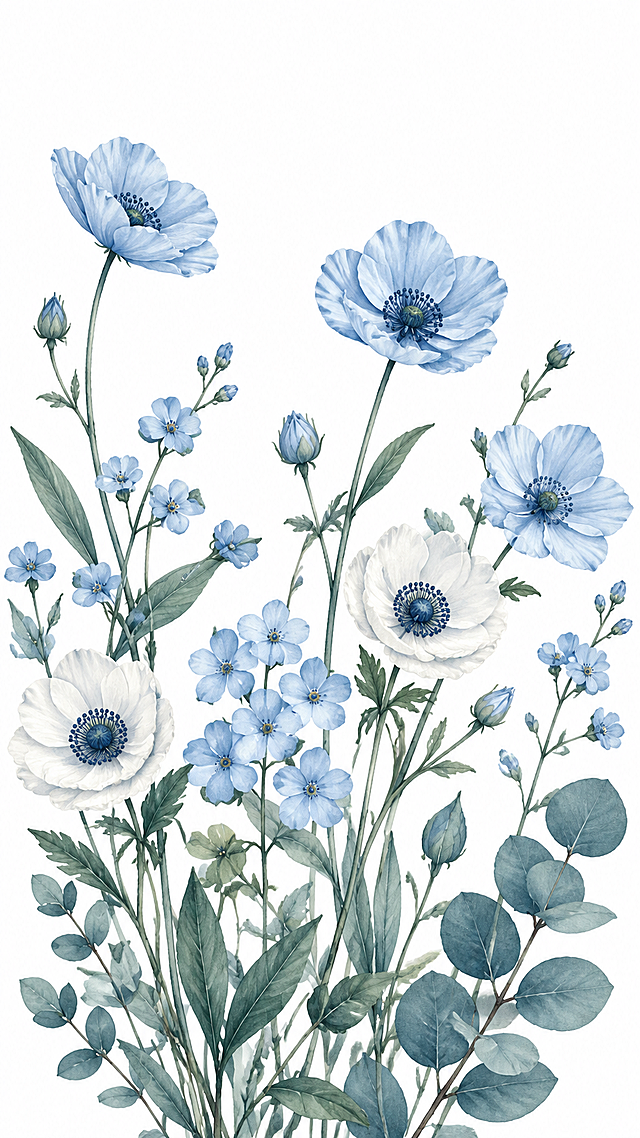
9:16 vertical standalone botanical watercolor illustration, a graceful blue-green wildflower arrangement growing upward from the entire bottom edge, isolated on a perfectly pure white background. Keep the upper 25-28% of the canvas completely empty and white. Arrange approximately 13-16 independent stems across the lower three-quarters of the composition. The stems cross and overlap naturally near the bottom, then spread into separate directions toward the middle and top. Create an airy asymmetrical rhythm with clear height differences and irregular open gaps. Place two isolated tall flowers near the upper left and upper center-right, several medium-height flowers on both sides, and richer foliage near the bottom. Avoid uniform spacing, a triangular bouquet silhouette or an orderly staircase. Use realistic, recognizable flower structures: three large pale-blue single cup-shaped flowers with five broad, gently overlapping petals, including one high side-facing blossom, one large three-quarter-view blossom near the upper center-right and one outward-facing blossom on the right; two large ivory-white single anemones with five or six softly crinkled petals and refined deep blue stamens, positioned at different heights on the lower left and middle right; one compact group of six to eight medium-sized pale-blue five-petal blossoms near the lower center, clearly separated rather than forming a dense dotted ball; two slender branches carrying a few small blue five-petal flowers, with visible individual petals and generous spacing; three to five realistic closed or half-open buds in different sizes and orientations. Vary every flower through size, openness, direction and viewing angle. Petals should retain believable botanical construction and must not look like repeated copies. Combine several clean foliage shapes: long lance-shaped leaves, narrow gently curved leaves, a small branch of oval leaves and one prominent eucalyptus-like branch with large rounded blue-green leaves on the lower right. Leaves vary naturally in size and direction, with complete smooth edges and restrained overlap. Do not add finely divided, feathery or radiating foliage. Stems are slender, continuous and muted dark teal-green. Most grow upward with a slight irregular lean; a few bend gently beneath the weight of the flowers. Keep the curves broad and subtle, without rigid parallel lines, exaggerated S-curves or decorative spirals. Use a low-saturation cool watercolor palette: powder blue, misty sky blue, dusty teal, pale aqua, celadon, gray sage, muted blue-green, soft ivory and small deep petrol-blue accents. The upper flowers are slightly brighter blue, while the lower foliage includes deeper teal and blue-gray tones. White flowers contain faint cool-blue shadows so their petals remain visible against the white background. Use tiny dark blue stamens as controlled focal details. Clean and refined botanical watercolor painting, translucent layered washes, smooth soft color gradients, delicate dry-brush texture on petal edges, no harsh outlines, soft natural lighting from upper left, subtle paper texture, museum-quality botanical illustration, ultra-detailed, 4K fine art quality9:16 vertical standalone botanical watercolor illustration, a graceful blue-green wildflower arrangement growing upward from the entire bottom edge, isolated on a perfectly pure white background. Keep the upper 25-28% of the canvas completely empty and white. Arrange approximately 13-16 independent stems across the lower three-quarters of the composition. The stems cross and overlap naturally near the bottom, then spread into separate directions toward the middle and top. Create an airy asymmetrical rhythm with clear height differences and irregular open gaps. Place two isolated tall flowers near the upper left and upper center-right, several medium-height flowers on both sides, and richer foliage near the bottom. Avoid uniform spacing, a triangular bouquet silhouette or an orderly staircase. Use realistic, recognizable flower structures: three large pale-blue single cup-shaped flowers with five broad, gently overlapping petals, including one high side-facing blossom, one large three-quarter-view blossom near the upper center-right and one outward-facing blossom on the right; two large ivory-white single anemones with five or six softly crinkled petals and refined deep blue stamens, positioned at different heights on the lower left and middle right; one compact group of six to eight medium-sized pale-blue five-petal blossoms near the lower center, clearly separated rather than forming a dense dotted ball; two slender branches carrying a few small blue five-petal flowers, with visible individual petals and generous spacing; three to five realistic closed or half-open buds in different sizes and orientations. Vary every flower through size, openness, direction and viewing angle. Petals should retain believable botanical construction and must not look like repeated copies. Combine several clean foliage shapes: long lance-shaped leaves, narrow gently curved leaves, a small branch of oval leaves and one prominent eucalyptus-like branch with large rounded blue-green leaves on the lower right. Leaves vary naturally in size and direction, with complete smooth edges and restrained overlap. Do not add finely divided, feathery or radiating foliage. Stems are slender, continuous and muted dark teal-green. Most grow upward with a slight irregular lean; a few bend gently beneath the weight of the flowers. Keep the curves broad and subtle, without rigid parallel lines, exaggerated S-curves or decorative spirals. Use a low-saturation cool watercolor palette: powder blue, misty sky blue, dusty teal, pale aqua, celadon, gray sage, muted blue-green, soft ivory and small deep petrol-blue accents. The upper flowers are slightly brighter blue, while the lower foliage includes deeper teal and blue-gray tones. White flowers contain faint cool-blue shadows so their petals remain visible against the white background. Use tiny dark blue stamens as controlled focal details. Clean and refined botanical watercolor painting, translucent layered washes, smooth soft color gradients, delicate dry-brush texture on petal edges, no harsh outlines, soft natural lighting from upper left, subtle paper texture, museum-quality botanical illustration, ultra-detailed, 4K fine art quality