已添加
登录/注册
美化这张排版图,修正所有文字乱码错误,保持原有双栏排版,提升设计质感,使用简约现代商务风格,加上小米品牌蓝色调元素点缀,确保所有英文文字准确清晰
1qxzrcro07x...
2026.04.09
做同款
A corporate business slide for 'Building Xiaomi's Competitive Strategy with Information Systems', structured as five sections. Each section contains the keywords: Porter's Five Forces Model, Value Chain Model, Synergy, Core Competitiveness, and corresponding analysis points. Clean modern business style, professional layout on dark blue background. Text content: 1. Section 1: Personalized Experience (Differentiation), Optimize Product Design, Integrated Marketing, Sales, and Service, Large-scale Personalized Service 2. Section 2: Enhance customer loyalty, Optimize order fulfillment, Integrate omni-channel user data, Strengthen brand reputation 3. Section 3: Integrate supply chain data, Enhance customer service, Cross-departmental collaboration, Anticipate user needs 4. Section 4: Creating Differentiated Digital Experiences, Optimizing Inventory Management, Connecting E-commerce, Offline, and App, Enhancing User Experience 5. Section 5: Weaken the bargaining power of suppliers, Support rapid delivery, Synergy from supply chain to production and then to sales, Support global large-scale operations All text must be clearly displayed.
1qxzrcro07x8Jl9g-HB
仿照原图的排版和布局风格,替换文字内容为:顶部标题栏替换为小米Logo,大标题改为'The Value Chain of Xiaomi Enterprises (Firm Value Chain)',副标题改为'Enhancing Efficiency & Customer Experience with Information Systems';将基本活动区域内容替换为:1. 第一栏Internal Logistics (Inbound Logistics):Automated warehousing system, intelligent inventory management system, raw material supply chain traceability system;2. 第二栏Production Operations (Operations):Intelligent manufacturing systems, computer-controlled Production processing systems, factory IoT monitoring systems, quality traceability systems;3. 第三栏留空保持圆形中心,中心圆形替换为小米Logo,文字改为'Xiaomi Value Chain Model';4. 第四栏Sales and Marketing (Sales and Marketing):Xiaomi Mall, e-commerce platform order system, digital marketing system, user operation platform, offline store management system;5. 第五栏Customer Service (Service):Xiaomi customer service system, equipment remote diagnosis system, after-sales order management system, user feedback analysis system;6. 底部左侧Support Activities Technology Research and Development:Computer-Aided Design (CAD) System, Chip Design EDA Tools, AI Large Model Training Platform, IoT Device Interconnection Technology Research and Development System;底部右侧分两部分,上方Human Resources:Talent Planning System, Employee Performance and Training System, Remote Collaborative Office Platform;下方分为两部分,左侧Administrative Management and Management:Enterprise Digital OA, Electronic Scheduling and Collaborative Office System, Global Supply Chain Management System,右侧Procurement Management:Computerized Purchase Order System, Global Supply Chain Centralized Procurement Platform, Supplier Collaboration Management System;底部小字改为'Information System Optimizes Xiaomi Value Chain',保持整体配色和图标风格一致。
1qxzrcro07x8Jl9g-HB
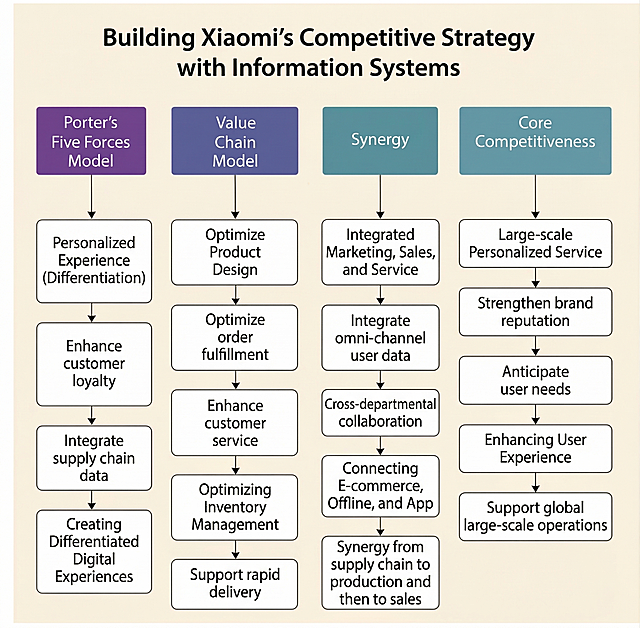
模仿参考图的流程图样式,生成一张小米竞争战略信息系统流程图,标题为"Building Xiaomi's Competitive Strategy with Information Systems",分为四列: 第一列(紫色块标题Porter's Five Forces Model)包含四个节点:1. Personalized Experience (Differentiation) 2. Enhance customer loyalty 3. Integrate supply chain data 4. Creating Differentiated Digital Experiences 第二列(深蓝色块标题Value Chain Model)包含五个节点:1. Optimize Product Design 2. Optimize order fulfillment 3. Enhance customer service 4. Optimizing Inventory Management 5. Support rapid delivery 第三列(蓝绿色块标题Synergy)包含五个节点:1. Integrated Marketing, Sales, and Service 2. Integrate omni-channel user data 3. Cross-departmental collaboration 4. Connecting E-commerce, Offline, and App 5. Synergy from supply chain to production and then to sales 第四列(蓝绿色块标题Core Competitiveness)包含五个节点:1. Large-scale Personalized Service 2. Strengthen brand reputation 3. Anticipate user needs 4. Enhancing User Experience 5. Support global large-scale operations 保持和参考图一致的米色背景、箭头连接结构、色块样式和排版风格,所有文字内容必须完全使用用户提供的英文
1qxzrcro07x8Jl9g-HB
一张商务信息图表,标题为"Xiaomi Value Chain Specialized Analysis (Enhancing Efficiency & Customer Experience via IS)",副标题为"Core Value Chain (Centered on Xiaomi)",包含七个要点:1.Internal Logistics: Optimize global supply chain, intelligent warehousing, demand forecasting system, achieve production based on sales;2.Production Operations: Intelligent manufacturing, real-time data monitoring, full-chain quality control, enhance production efficiency;3.Sales and Marketing: Digital marketing, e-commerce platforms, offline store collaboration, AI personalized recommendations;4.Service: Multi-channel customer service, remote device maintenance, personalized services, improve customer satisfaction;5.External Logistics: Automated logistics scheduling, global delivery tracking, enhance delivery efficiency;6.Technology R&D: Digital innovation tools, AI R&D platform, user demand analysis system, drive product iteration;7.Human Resources and Infrastructure: Employee collaboration system, global organizational collaboration platform, support business expansion。现代商务科技风格,清晰的排版,蓝白配色,专业简洁。
1qxzrcro07x8Jl9g-HB
保持这张小米波特五力分析图的整体布局、logo位置、配色和版式不变,将所有中文分析内容替换回原始完整英文内容,确保图片中没有中文,英文排版整齐清晰。完整英文内容: 1 Existing Competitors (Intra-industry Competition) Threat Level: Extremely High The competition in the smartphone, smart home, and IoT sectors is extremely fierce. Direct rivals include Huawei, OPPO, vivo, and Apple. Meanwhile, in the white goods and notebook sectors, it faces intense competition from brands such as Midea, Gree, and Lenovo. Price wars, technology battles, and ecosystem wars continue to escalate. 2 Threat of new market entrants Threat level: Medium to low The research and development, supply chain, and brand barriers for smartphones, high-end chips, and IoT ecosystems are extremely high, making it difficult for new players to break through. However, in niche segments (such as smart wearables and small household appliances), there is still a possibility for small and medium-sized brands to enter the market. 3 Threat of substitute products/services Threat level: Medium to high Feature phones, traditional household appliances, and non-smart hardware pose a substitution threat to Xiaomi's smart products. Meanwhile, tablets and 2-in-1 laptops are substitutes for entry-level mobile phones and laptops. In overseas markets, local brands will also divert users. 4 The bargaining power of suppliers Threat level: Moderate Suppliers of core components (such as chips, screens, and batteries) like Qualcomm, Samsung, and BOE have strong bargaining power. However, Xiaomi has significantly weakened the suppliers' influence through self-developed chips (Pengpai), large-scale centralized procurement, and deep binding of the supply chain. 5 The bargaining power of buyers (customers) Threat level: High There are numerous consumer choices, and they are highly sensitive to price, configuration, and ecological experience. The replacement cycle of devices has been prolonged, and users' demands for cost-effectiveness and service continue to rise, resulting in strong bargaining power.
1qxzrcro07x8Jl9g-HB
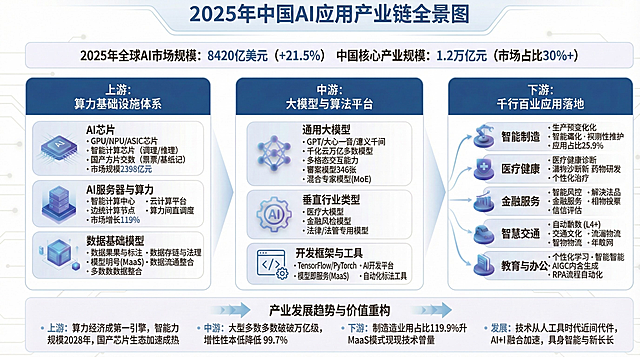
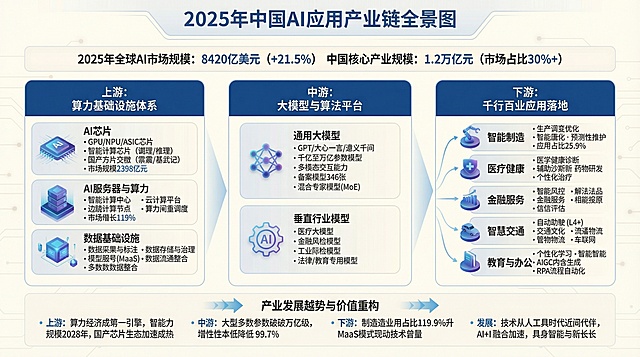
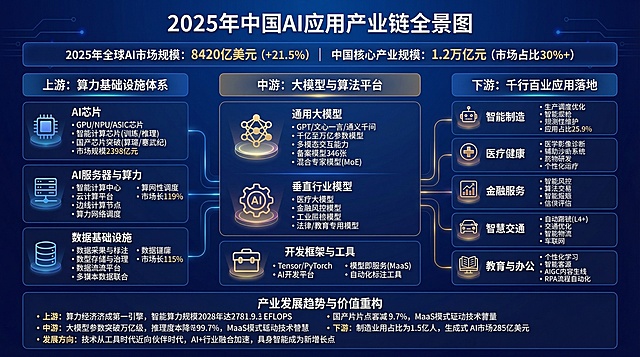
开发框架与工具 TensorFlow/PyTorch 模型即服务(MaaS) AI开发平台 自动化标注工具 根据生成一个图形
创意 × 1
GD475693061
帮我把背景改成浅色系 或者白色系
创意 × 1
GD475693061
帮我把这张图变成16:9 ,并重新设计,保证所有的文字都能完整呈现。
GD475693061
四大云厂商自研AI芯片对比图,包含谷歌TPU、亚马逊Trainium/Inferentia、微软Maia、OpenAI自研芯片的实物或渲染图
1q08y1boi8-HB
商务PPT内页,AI趋势页,未来科技感深蓝色背景。标题"AI获客不是趋势,是实体店生存现实"。五个趋势点纵向排列:成本大幅降低58%、转化高效提升、用户规模爆发5.15亿、行业竞争现状、红利窗口期。配上升趋势线图表和AI科技元素(神经网络、数据流、机器人图标)。右侧配5G+AI+大数据的抽象科技图形。整体前瞻性战略风格,16:9横版
万应飞
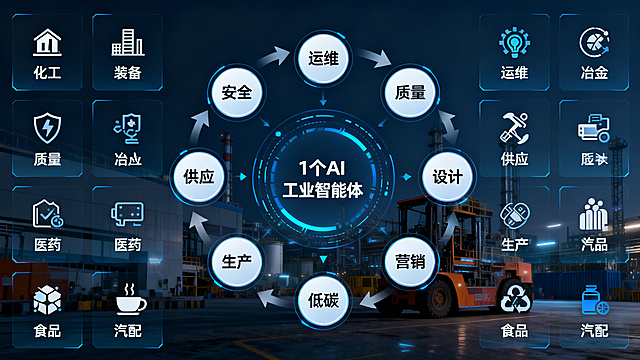
"1+8+N"数字化赋能体系架构图,中心是"1个AI工业智能体",环绕中心8个节点分别标注:安全·运维·质量·供应·设计·生产·营销·低碳,外围矩阵排列多个行业图标,包含化工·装备·冶金·医药·食品·汽配等,用动态箭头连接环形架构,整体为清晰专业的信息图风格
696q0271q73M_HA-HB
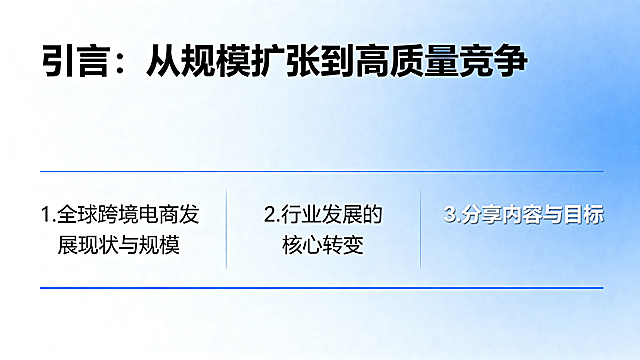
生成跨境电商引言PPT内页,标题为“引言:从规模扩张到高质量竞争”,包含三个二级要点:1.全球跨境电商发展现状与规模 2.行业发展的核心转变 3.分享内容与目标,蓝白商务风格,排版清晰
GD918614542
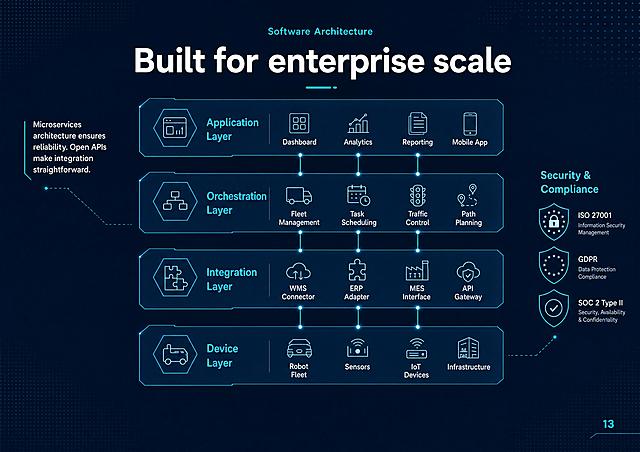
A4 landscape brochure page 13, tech-style design, dark navy blue background with subtle dot grid pattern. Software architecture page — strong tech feel. Top center: small cyan label "Software Architecture". Large heading "Built for enterprise scale" in white bold text. Center: a clean 4-layer architecture diagram, each layer as a horizontal translucent panel with cyan borders. Layer 1 (top): "Application Layer" — Dashboard, Analytics, Reporting, Mobile App. Layer 2: "Orchestration Layer" — Fleet Management, Task Scheduling, Traffic Control, Path Planning. Layer 3: "Integration Layer" — WMS Connector, ERP Adapter, MES Interface, API Gateway. Layer 4 (bottom): "Device Layer" — Robot Fleet, Sensors, IoT Devices, Infrastructure. Vertical cyan lines connect layers showing data flow. Left side small text: "Microservices architecture ensures reliability. Open APIs make integration straightforward." Right side: "Security & Compliance" with 3 small badge icons. Page number "13" bottom right in cyan. High-tech European B2B design
wakaka0804
参考图片背景,上传您的商品图,生成1张场景图「图片1」
⠀⠀⠀⠀⠀⠀鬼符⠀
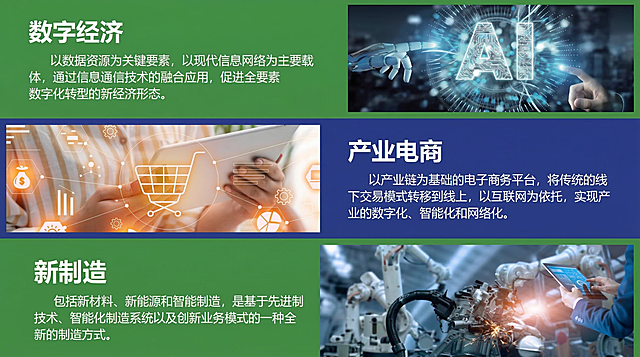
将提供的内容合并到一张横版图片中,画面比例16:9,竖向排列三个模块。从上到下依次为:第一个模块是数字经济,绿色背景,保留文字内容和右侧AI科技主题图片;第二个模块是产业电商,蓝色背景,保留文字内容和左侧电商购物主题图片;第三个模块是新制造,绿色背景,保留文字内容和右侧工业智能制造主题图片。保持每个模块原有配色和图文排版风格,整体拼接自然。
GD202646770
数据信息图表,包含三个部分:1. 2020-2029年全球GPU市场规模增长柱状图(含预测数据);2. 2023-2025年国内算力租赁市场规模增速折线图;3. 高端GPU供需缺口示意图标注15%供给vs100%需求缺口三倍,专业财经图表风格,清晰易读
1q08y1boi8-HB
企业宣传对比海报,画面左右分屏构图,左侧是混乱的传统工厂场景,散落大量纸质单据、库存摆放杂乱、设备待检修;右侧是智能MES数字化工厂,悬挂中文数字看板、全自动化生产线、车间整洁高效,左右形成强烈视觉对比,科技蓝主色调,商业宣传风格
GD1158806842
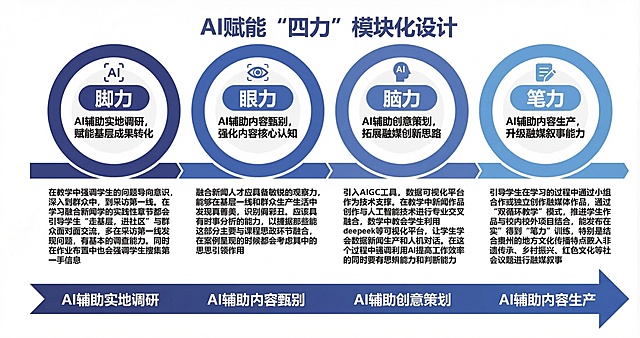
参考给出的“四力”课程教学模块图的版式与蓝白渐变配色风格,制作AI赋能“四力”模块化设计的PPT信息图,保留四个环形板块的结构,将四个板块的内容分别替换为:脚力:AI辅助实地调研,赋能基层成果转化;眼力:AI辅助内容甄别,强化内容核心认知;脑力:AI辅助创意策划,拓展融媒创新思路;笔力:AI辅助内容生产,升级融媒叙事能力,整体排版规整,文字清晰,商务简约风格,适合放入PPT展示
GD466875447
基于原图内容优化整体布局,让左右分栏(A组智慧经营、B组智慧运营)排版更美观协调,调整图文间距和对齐方式,保留所有原始文字和图表内容,整体设计更简洁专业
1q0ruhk6ujflsk3a-HB
从主体四周延伸出几条发光极细的电路线,并分布一些极小不显眼的小方块,保持原整体科技蓝色透明AI芯片风格
SissiNoSugar
学术信息海报第一页,标题为"学界动向——认知神经科学与人机共生 (Human-AI Symbiosis)",副标题"探讨从'工具使用'向'智能协作'的理论转型"。整体分为三个板块: 左侧栏:宏观趋势与政策核心方向:列出"神经人因学 (Neuroergonomics):利用脑机接口(BCI)和便携式脑成像技术监控工作负荷。可解释AI (XAI) 与信任建模:研究人类如何建立对算法决策的合理信任。道德与算法偏见:探讨人因干预在算法公平性中的学术地位。",下方是关键人物:"Raja Parasuraman:神经人因学奠基人,其理论持续影响当下的自动化研究。Ben Shneiderman:倡导'以人为本的AI(HCAI)',平衡人类控制与计算机自动化。",再下方是主要政策/刊物:"IEEE Transactions on Human-Machine Systems 前沿课题。欧盟《人工智能法案》(AI Act)对人机交互安全性的最新学术指引。" 中间板块:标题"前沿研究案例",国内研究案例:"清华/浙大 脑机交互实验室 突破点:异步非侵入式BCI在残障人士辅助系统中的应用,实现高精度的意图识别。解析:将认知模型转化为控制指令,突破传统肢体交互的物理极限。",国际研究案例:"斯坦福 Human-Centered AI (HAI) 中心 研究点:'情境感知的协作机器人(Cobots)'。解析:机器人通过眼动追踪和生理电信号判断工人的疲劳状态,动态调整协作步调。" 右侧板块:标题"学术演进对比与技术矩阵",列出技术应用对比表: 维度 | 传统人因工程 | 前沿人因工程 (HFE 4.0) 交互媒介 | 物理按键/屏幕 | 脑机/语音/手势/眼动 评估手段 | 问卷/主观量表 | 实时神经反馈/生理参数 人机关系 | 操作者与工具 | 协作伙伴与共生体 保持参考图的学术信息排版风格,米黄色背景,搭配浅蓝色和浅黄色信息块,清晰图文排版,学术简洁风格,信息完整清晰。
GD427509844
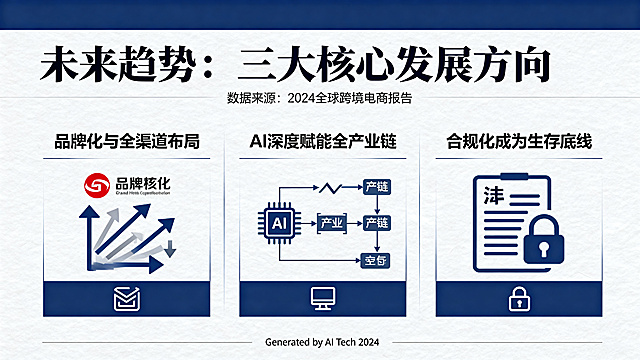
生成跨境电商未来趋势PPT内页,标题为“未来趋势:三大核心发展方向”,包含三个要点:1.品牌化与全渠道布局 2.AI深度赋能全产业链 3.合规化成为生存底线,商务科技风格,排版清晰
GD918614542
参考图1的视觉风格,将图2的画面风格调整为一致。具体调整方向: 1. **材质质感**:所有工业设备(管道罐体、机床、机械臂、人形机器人、AGV、无人机、芯片基座)从纯白C4D卡通质感改为真实精密工业设备质感,金属表面有真实的拉丝、喷砂、漆面质感,零件细节清晰,螺丝、焊缝、接口等结构真实可见,设备有工业级精密感。 2. **背景环境**:从纯白背景改为浅蓝白渐变的干净科技背景,底部有淡淡的网格地面和柔和的波浪线条,与图1背景风格一致,营造高端科技展示氛围而非纯白悬浮感。 3. **光效风格**:蓝色数据连接线、发光A标志、芯片光效从柔和磨砂发光改为更锐利通透的科技蓝光效,带有脉冲感和粒子光点,与图1的蓝色时序脉冲风格一致,光效更克制精致。 4. **整体色调**:从偏冷白调整为科技蓝+银白+浅灰的工业科技配色,与图1色调统一。 5. **画面布局和所有元素位置保持不变**:左侧管道设备、中央SylixOS+AI芯片基座与A标志、右侧机床机械臂生产线、后方人形机器人AGV无人机的位置和构图全部保留,只改风格质感。
丶繁花落尽╭ァ曲终散
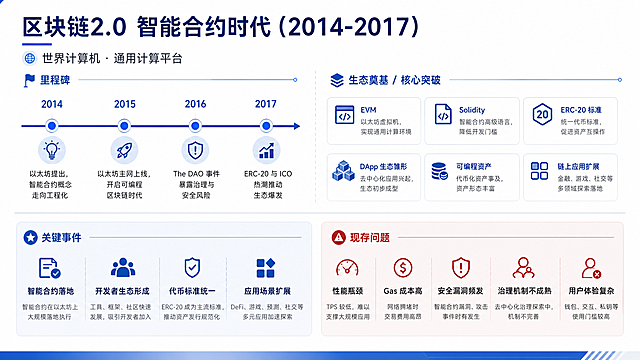
PPT第3页,主题区块链2.0 智能合约时代(2014-2017),核心定位世界计算机 · 通用计算平台,上下分区布局,上半部分放里程碑和生态奠基核心突破,下半部分分点放关键事件和现存问题,商务简约风格,干净排版
1qnat2k8aiOJlSJQ-HB
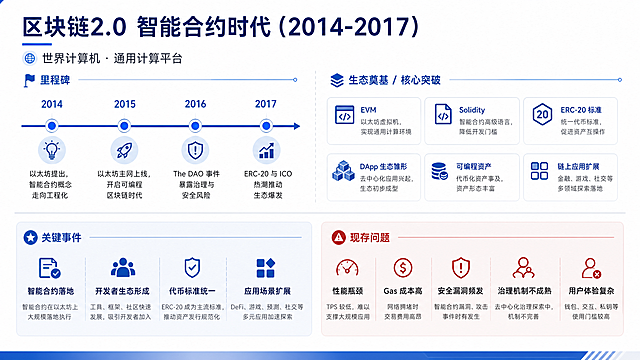
PPT第3页,主题区块链2.0 智能合约时代(2014-2017),核心定位世界计算机 · 通用计算平台,上下分区布局,上半部分放里程碑和生态奠基核心突破,下半部分分点放关键事件和现存问题,商务简约风格,干净排版
1qnat2k8aiOJlSJQ-HB